


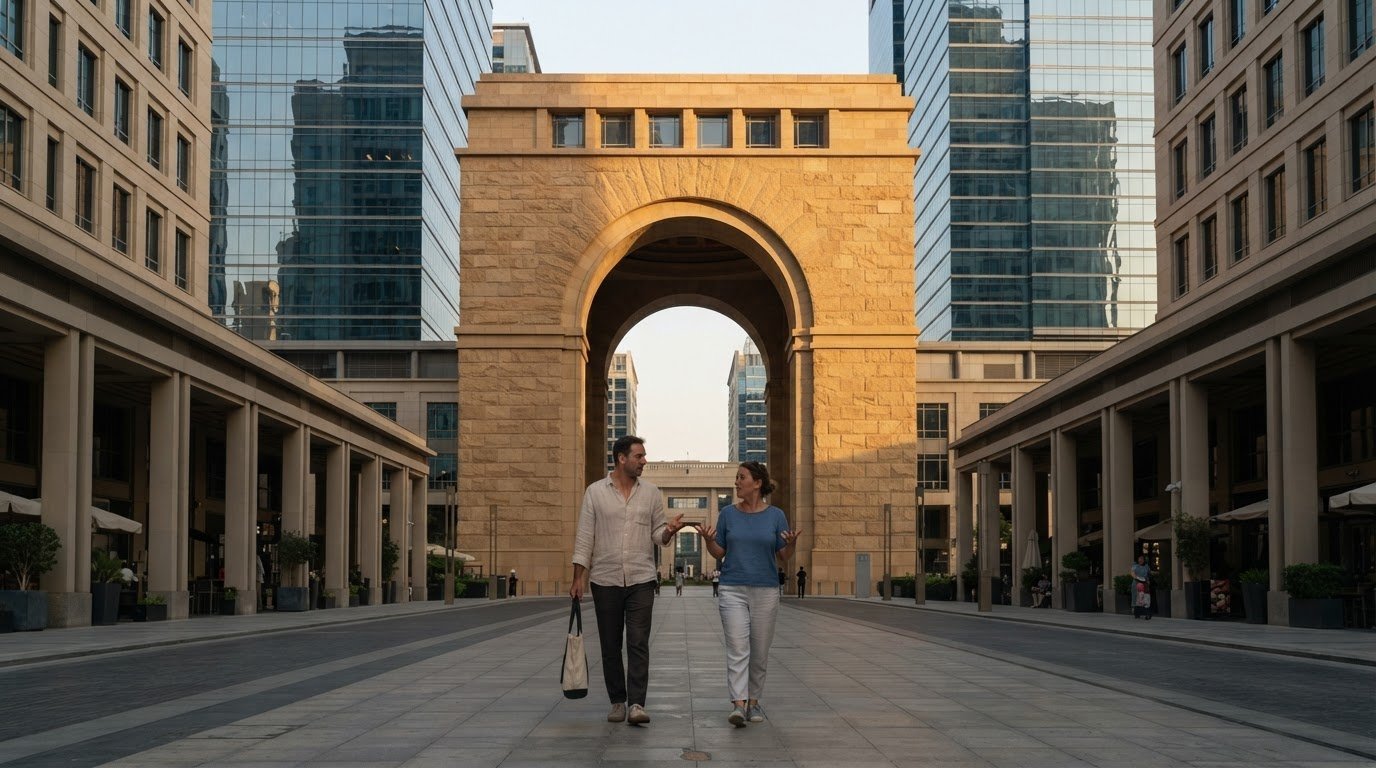
A business decision in the UAE involves more than finding an address. DIFC is a leading world-class business and lifestyle destination, bringing workplaces and everyday amenities together in one premier district.
For companies considering expansion across the UAE, the practical question is how a location can support their operations and connect them with the services their work depends on. DIFC is known as a business and lifestyle hub, but assessing its role means looking beyond its profile to whether its commercial environment fits a company’s long-term goals.
This article explains DIFC’s role in the broader UAE business environment and the commercial and financial connections associated with the district, with strategic guidance provided by Chainex Real Estate. It also considers its lifestyle appeal and the factors that can help businesses decide whether the setting suits their plans. A clear view of both its commercial context and its place in the market can help you assess the opportunities DIFC may offer.
Key Takeaways
- Understand how DIFC’s commercial environment can support business organization and connect companies with finance-related services.
- Explore the range of business and industry activity that shapes DIFC’s role in Dubai.
- Consider how residential, dining, retail and cultural options contribute to the district’s lifestyle appeal.
- Assess how Metro, road and public transport access may affect daily travel and the suitability of DIFC for your plans.
Commerce and finance
DIFC is one Dubai location to assess against your commercial goals. Its place in the district’s business identity makes it relevant to companies considering financial services, professional support, or connections with commercial partners. Begin by defining your business activity. A finance firm, for example, will have different operational priorities from a company seeking office space near clients and advisers.
Map the relationships your business needs to manage. A financial company may coordinate with banks, investors, clients, compliance professionals, and technology providers. A trading business may prioritize suppliers, payment services, and customer access. This exercise helps clarify which connections matter most and whether DIFC’s business environment aligns with your day-to-day work.
Keep the location decision separate from the business-setup decision. First, describe your company’s activity, expected team structure, and operational needs. Then identify the premises, professional relationships, and financial services required to support that activity. This sequence helps ensure a prestigious address does not stand in for a workable commercial plan. It also gives decision-makers a clearer basis for comparing DIFC with other Dubai locations.
When a company handles a complex transaction, coordination matters. Corporate finance, investment, and commercial agreements can involve several parties, each with distinct responsibilities and timelines. Set out the decision-makers, required documents, and approval stages before work begins. For example, a business planning an investment can keep funding discussions separate from its premises search, while tracking both workstreams.
DIFC is a leading world-class business and lifestyle destination, but its value to a company depends on fit. Assess how the business model aligns with the location, access to relevant services, and relationships the company wants to build. Prepare a short decision brief: describe the activity, list essential partners, identify operational requirements, and rank location priorities. This turns general interest in DIFC into a focused commercial evaluation.
What businesses and industries are based in DIFC?
DIFC’s business community includes companies in financial services and related professional fields. Banks and wealth managers serve corporate, institutional, and private clients. Asset managers focus on investment portfolios, while insurers address business and personal risk. Together, these activities create a varied commercial environment rather than one limited to a single area of finance.
Technology is another part of DIFC’s business landscape. Financial technology companies develop tools and services for payments, digital finance, data handling, and customer access. A fintech business, for example, may work with banks, investors, or specialist advisers as it builds commercial relationships. This makes the district relevant to firms connecting finance and technology.
Professional services firms add to the mix. Legal, consulting, accounting, and advisory businesses support clients with commercial planning and complex transactions. A company entering a new market, for instance, may need financial analysis alongside legal and operational advice. DIFC’s concentration of these activities can be useful for organizations managing several business relationships.
Businesses beyond core finance may also find relevant connections in DIFC. A technology provider serving financial clients or a consultancy advising investment firms may value being close to potential partners. The fit depends on the company’s customers, working needs, and collaboration plans. An industry label alone does not determine whether the district suits a particular operation.
To assess the district, identify the organizations your business needs to reach, then consider how often those relationships require in-person contact. A fintech firm prioritizing bank partnerships may weigh location differently from a professional consultancy serving clients across Dubai. Businesses also considering a physical presence can review commercial space options as one part of their location planning.
Alongside industry fit, businesses should consider how they prepare staff for interruptions. Ready Business says training helps ensure everyone knows what to do during an emergency or disruption to business operations. For firms assessing a location, this is another practical planning consideration: how people would respond if normal work were interrupted. It can be considered alongside customer access, collaboration needs, and workspace choices, but does not replace assessing whether the district’s services and relationships suit the company’s work.
What residential, retail, dining and cultural destinations are in DIFC?
DIFC combines workplaces with residential options, including DIFC Living. The setting may suit residents who value proximity to offices, restaurants, and cultural venues. Start by considering your daily routine: where you work, how often you dine out, and which services you want nearby. These priorities help distinguish an appealing address from a practical home.
Gate Avenue offers retail and dining within the district. Restaurants such as Zuma, La Petite Maison, and Roberto’s provide distinct options, from Japanese cuisine to Mediterranean fare. The mix can make the area useful beyond office hours. For residents and employees, its value depends on personal routines, such as meeting colleagues for dinner or arranging an informal business lunch.
Gate Village adds an arts and culture dimension through its galleries and public spaces. DIFC Art Nights brings art into the district’s everyday setting, giving visitors another reason to explore beyond work and dining. It may appeal to people who value exhibitions and creative programming as part of city life. Check event details when planning a visit, as schedules can vary.
These destinations meet different needs. A family considering DIFC Living may weigh residential comfort and access to daily essentials. A professional may focus on walkable dining and convenient after-work plans. A visitor might prioritize Gate Village galleries, then choose a nearby restaurant. Thinking through a typical weekday and weekend makes the district’s lifestyle offer easier to assess.
For a balanced view, consider housing, retail, dining, and culture together. Note which destinations you expect to use regularly, then consider how their locations fit your work and leisure routines. DIFC Living, Gate Avenue, Gate Village, and the district’s named restaurants contribute to a recognizable mix of residential and visitor experiences. The right fit depends on which parts matter most to you.
How accessible is DIFC by Dubai Metro, road and public transport?
Dubai Metro’s Red Line serves the DIFC area through Financial Centre and Emirates Towers stations. These stops offer commuters a rail option for reaching the district and connecting with other parts of Dubai. The most practical station depends on your destination within DIFC, so identify the building or meeting point before choosing a route.
For road journeys, Sheikh Zayed Road is a key route alongside the district. Plan your approach around the destination, parking arrangements, and expected traffic conditions. A meeting near Gate Avenue, for example, may call for a different final approach from an appointment elsewhere in DIFC. Allow time to find the correct entrance and parking area.
Dubai’s wider public transport network can support journeys combining Metro, bus, taxi, or walking. For a Metro commute, plan the station-to-destination leg as carefully as the train journey. A taxi may help with the final connection, particularly when carrying meeting materials or travelling with colleagues. Dubai’s heat can also affect whether walking is practical.
Before travelling, enter your start point and DIFC destination into the Roads and Transport Authority’s journey-planning tools. Compare the suggested route with your appointment time, accounting for transfers and the final stretch on foot. For a road trip, review the route and parking plan before departure. These steps make travel choices more predictable without assuming one option suits every journey.
Accessibility can also shape where you choose to live. If you regularly commute to DIFC, weigh Metro access against your workplace entrance, preferred transport, and daily schedule. If you are considering a move, explore Dubai houses for sale while comparing home locations with your work journey. The best route is the one that fits your actual routine, not simply the closest station or road.
Chainex Real Estate
Chainex Real Estate can connect your Dubai location plans with relevant property options. If DIFC’s business environment fits your priorities, consider whether to buy a home nearby or find commercial premises for your company. The right choice depends on intended use, preferred setting, and how the location supports your daily routine.
Explore Dubai houses for sale, Villas for Sale, Townhouses for Sale, or Commercial Properties for Sale as you consider your next step. A focused property discussion can help match your requirements to the space you need, whether for personal use or business.
For a conversation about your Dubai property requirements, contact Chainex Real Estate.
Turn Your DIFC Plans Into a Clear Next Step
DIFC is a leading world-class business and lifestyle destination, but deciding how it fits your plans is personal. Look beyond the district’s reputation and define what you need from your Dubai property: a place to live, a setting for your business, or an investment. Clear priorities make it easier to compare locations and property types with your intended use.
Write down the factors that matter most, such as your preferred daily routine, access to work, and the kind of space you want to own. This gives your property search a practical direction and keeps decisions connected to your longer-term plans.
When you’re ready to explore your options, speak with Chainex Real Estate about your Dubai property plans. Take the next step at your own pace, with a clearer sense of what you’re looking for.
Frequently Asked Questions
What is the Dubai International Financial Centre (DIFC)?
The Dubai International Financial Centre, or DIFC, is a Dubai business district known for financial and commercial activity. Its name refers both to the district and to the wider business community associated with it. When assessing Dubai locations, consider DIFC as a place to work and as an urban setting to explore for residential or commercial property.
What makes DIFC a leading global financial centre?
DIFC brings together banks, wealth managers, asset managers, insurers, financial technology companies, and professional services firms. Together, they create a varied commercial environment and connections across business and finance-related services.