


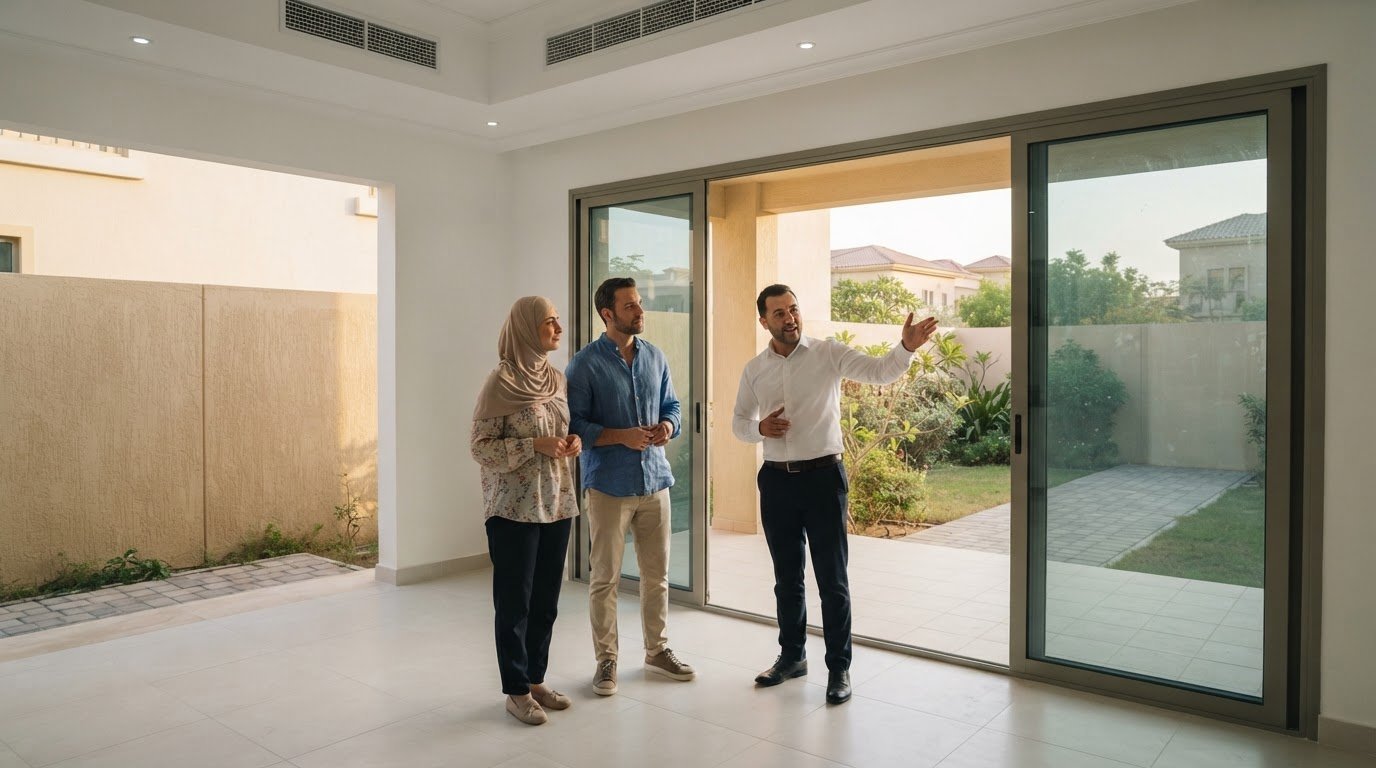
A move to Dubai rarely comes down to one advantage alone. The five factors that make European Muslims move to Dubai may include family services, a sense of security, business conditions, pressures to leave Europe and the opportunity to build a life in a Muslim-majority society. The weight each factor carries depends on personal priorities and circumstances.
It makes sense to weigh practical considerations alongside questions of belonging and family life. International schooling and healthcare, the business environment and reasons for leaving a European country can all shape the decision, but their importance varies from one household to another.
This article looks at how these five considerations can influence relocation to the UAE, alongside residency pathways and Dubai’s international population. Use them to assess whether a move fits your family, work and longer-term plans, rather than treating Dubai as a one-size-fits-all answer.
Key Takeaways
- Assess how international schooling and healthcare access fit your family’s needs before treating lifestyle appeal as a complete relocation plan.
- Consider how security, residency pathways and business conditions may support your long-term plans, while weighing the requirements relevant to your circumstances.
- Look at Dubai’s expatriate communities as part of the picture of belonging, and consider how daily life may differ from your experience in Europe.
- Separate the pressures prompting a move from the reasons Dubai appeals to you; if property ownership is part of your plans, explore whether a house, villa or townhouse suits your priorities.
International schools and healthcare
For families, school continuity and access to care can determine whether a move feels practical. Dubai has international schools, but the right fit depends on a child’s current curriculum, language needs, year group and preferred learning environment. For example, a child following a British curriculum may benefit from a school with a familiar pathway. Consider admissions timing, travel distance and how the school communicates with families.
Healthcare planning also calls for practical preparation. Map possible school and home locations against the clinics and hospitals your household may need. A family managing asthma, for example, will want convenient access to appropriate ongoing care and a clear plan for prescriptions. Review how medical records, treatment routines and insurance arrangements will carry across. These details can influence housing choices as much as the school commute.
Mosques, halal food and Islamic schools are accessible across Dubai, making religious practice part of everyday life. When considering a home, compare its distance from a mosque, halal grocery options and your children’s school. For Islamic education, assess whether a school’s approach to religious learning and academic study matches your expectations. The right fit depends on each household’s priorities and children’s needs.
These factors are connected: a school’s location affects commuting, while nearby healthcare supports daily family needs. Start by listing each child’s curriculum and support needs, then map suitable schools alongside essential medical services. Include mosque access and halal food shopping in the same comparison. This makes a broad relocation decision more practical by focusing on daily routines, rather than a school’s name or a neighbourhood’s reputation alone.
Security, stability and business regulations
Relocation decisions can hinge on daily security, residency options and the business environment. In the UAE, visa pathways and company rules influence how Europeans plan longer stays and work.
Security and Stability
Security and stability relate to how predictable daily life, public rules and business conditions feel to residents. They matter because they affect family routines and longer-term plans, not just a first impression of Dubai.
For business owners, the UAE permits 100% foreign ownership on the mainland for approved activities, outside free zones. The country also has more than 40 free zones, each serving different business needs. The UAE federal corporate tax rate is 9%, according to the Federal Tax Authority. These conditions can shape where a company operates and how its owner plans.
Visa and Residency Options
European citizens eligible for visa on arrival can receive a visit visa for 30 or 90 days, depending on their country of origin. This provides a short-term entry route, but longer-term residence requires an applicable residency pathway.
The UAE Golden Visa offers residency options lasting 10 years or 5 years, according to the Federal Authority for Identity, Citizenship, Customs & Port Security. The relevant route depends on the applicant’s eligibility and circumstances. For Europeans considering a move, the distinction between entry for a visit and permission to reside is central to planning employment, family arrangements and a lasting presence in Dubai.
Local Rules and Customs
Local rules and customs include expectations for public conduct and dress, which apply to residents and visitors alike. In public, men are advised to cover their knees and shoulders, while women are advised to wear modest clothing covering both areas.
Dubai’s public environment offers Muslims everyday opportunities to observe religious practices, while residents of all faiths share spaces shaped by local customs. Respectful dress is a practical consideration when visiting public areas or government offices. Learning these expectations before settling in helps newcomers plan daily routines and prepare for life in a different cultural setting.
Dubai’s expatriate population
Estimates place expatriates at 80-90% of Dubai’s population. That broad international mix can make it easier to meet people with varied backgrounds, but it doesn’t guarantee an immediate sense of belonging. The five factors that make European Muslims move to Dubai often intersect with community needs: a family may value familiar religious practices while also seeking social connections beyond its workplace.
There is no single cost comparison between Dubai and major European cities. Household spending depends on choices such as housing, education, healthcare and transport. Build a personal comparison in AED using your current spending categories. Consider accommodation and commuting together, for example, since a home’s location can affect daily travel and access to school or work.
Dubai’s expatriate community brings together people with different languages, customs and expectations. Shared faith may offer a point of connection for a European Muslim family, although cultural backgrounds and individual practices still vary. Parents might build social ties through school communities, colleagues or neighbourhood activities. Exploring more than one setting can help each family member find comfortable connections.
Before moving, write down your household’s priorities and what would make the first months manageable. Include work arrangements, schooling, healthcare access, housing preferences and ways to stay connected with relatives in Europe. These practical considerations help you assess whether Dubai’s diverse community suits your family’s routines, rather than relying on broad assumptions about expatriate life.
The five factors that make European Muslims move to Dubai offer a starting framework, but every household weighs them differently. A couple moving for a career opportunity may focus on professional networks, while parents may prioritise children’s routines and support systems. Connecting these priorities to a realistic budget and social plan makes the decision more personal and considered.
Migration push-and-pull factors
Relocation decisions often bring together dissatisfaction at home and opportunities in Dubai. The five factors that make European Muslims move to Dubai can overlap, but each household weighs them differently. Career prospects, financial considerations and personal priorities all shape the decision.
Pay, Taxes, and Employment
Pay, taxes and employment are central to the financial and career trade-offs behind relocation. A new salary alone does not show whether a household’s overall position will improve.
Employment opportunities in Dubai depend on sector, experience, qualifications and employer demand. Compare a written offer with your current compensation, benefits and expected living expenses. Include housing, schooling and healthcare instead of focusing only on take-home pay. Even attractive compensation may require careful budgeting if family costs or commuting needs change.
Tax comparisons also need care. Some European high earners face tax rates of 40-45%, while the UAE’s federal corporate tax rate is 9%, according to the Federal Tax Authority. Corporate tax concerns business considerations, not a like-for-like comparison with an employee’s personal income tax. For entrepreneurs, business structure and qualifying income matter. For employees, salary, benefits and personal tax obligations across relevant countries shape the assessment.
Relocation Risks and Drawbacks
Relocation risks are the financial, professional and personal adjustments that can make a move harder than expected. Considering them helps families judge whether an opportunity fits their longer-term plans.
A job change can affect household income, while a role tied to one employer may feel less stable if circumstances shift. Distance from relatives in Europe can complicate caregiving and regular visits. Parents may also need to help children adjust to new school routines and friendships. Consider these trade-offs alongside the reasons for moving.
Compare your current budget with a Dubai budget in AED, including housing, education, healthcare and travel to Europe. Assess whether expected income covers those costs and whether your career plan has alternatives. The five factors that make European Muslims move to Dubai can structure this assessment, but your priorities determine which trade-offs matter most.
Chainex Real Estate: dubai houses for sale
When relocation plans begin to take shape across the UAE, Chainex Real Estate can help you explore Dubai houses for sale. To narrow down the options, consider how a property’s space and location would fit your household and daily routines. The available options include villas for sale, townhouses and commercial properties for sale throughout the region.
A family looking for more room may focus on a villa or townhouse, while an entrepreneur may consider commercial property for a business plan anywhere in the Emirates. Start your search with the intended use and preferred lifestyle, not assumptions about what every newcomer needs. Chainex Real Estate offers property options for these distinct goals.
If you’re ready to discuss property options in Dubai and across the UAE, contact Chainex Real Estate.
Turn your relocation plans into a considered next step
The five factors that make European Muslims move to Dubai can help frame the decision, but the right choice depends on what you want daily life to look like. Before committing, set out your priorities for family, work, community and where you want to live. Then decide whether buying property fits your plans now or whether you need more time to settle in.
If you’re ready to explore ownership, Chainex Real Estate offers Dubai houses for sale, including villas and townhouses. Knowing your household’s needs and longer-term plans can help focus the search on a suitable location and property type.
Contact Chainex Real Estate to discuss your Dubai property plans. A clear next step can help you move forward with care and confidence.
Frequently Asked Questions
What are the five main reasons European Muslims move to Dubai?
The five factors that can shape the decision are family services, security and stability, business conditions, Dubai’s international community, and pressures or opportunities affecting life in Europe. Their importance varies by household. A parent, for example, may prioritise schooling and healthcare, while a business owner may focus on residency pathways and operating conditions. Religious and cultural fit can also shape how a family assesses daily life.
How large is Dubai’s European Muslim expatriate population, and where do they come from?
Dubai’s expatriates are estimated to make up 80-90% of its population, but that estimate doesn’t identify European Muslims separately. It therefore can’t provide a reliable count or country-by-country breakdown for this group. European Muslims may come from different parts of Europe, and their reasons for relocating can vary by family, career and personal circumstances. The overall expatriate estimate should not be treated as a specific demographic count.
How does family life, safety, and quality of life in Dubai compare with Europe?
There’s no single comparison that applies to every European household. Each family’s experience depends on priorities such as school fit, healthcare access, work arrangements, community ties and preferred routines. Parents considering a move, for example, can compare their child’s curriculum and support needs with available schooling, while assessing commute patterns and access to familiar community spaces. These practical details make the comparison more personal and useful.