


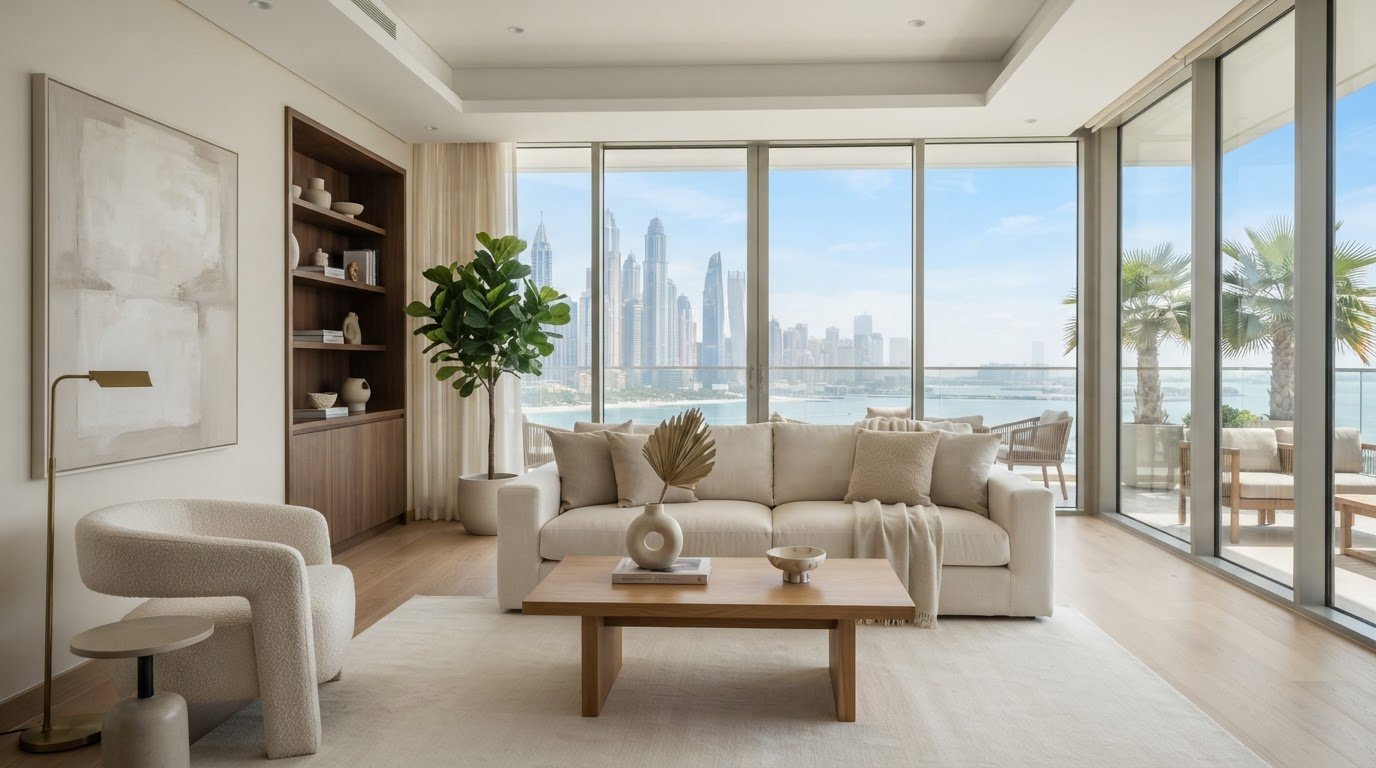
A buyer’s first impression begins before they’ve seen every room. Effective home staging tips for a quick sale focus on a clean, uncluttered presentation, natural light, neutral colours, a calm, inviting bedroom and well-kept curb appeal. These details help buyers see the home’s space and imagine how they could live in it.
Preparing a home for viewings can feel like a long list of jobs, especially when you’re still living there. Start with practical changes: put away personal items, clean carefully, open curtains and blinds, and make each room feel purposeful rather than crowded. From refreshing bedrooms and choosing a restrained colour palette to welcoming buyers at the entrance, these steps help you present your home with care and confidence.
Key Takeaways
- Clear personal items and keep surfaces, floors, kitchens, and bathrooms clean so rooms feel open and cared for.
- Open curtains, clean windows, and use layered lighting to make each space feel brighter and more welcoming.
- Choose calm, neutral colours and present bedrooms with crisp linens and a simple, uncluttered layout.
- Refresh the entrance and outdoor areas with tidy paths, greenery, and inviting details that create a considered first impression.
1. Cleaning, decluttering, and depersonalizing
Start with the living room, kitchen, main bedroom and bathrooms. Buyers often focus on these spaces, so make each one feel clean, functional and easy to understand. Pack away family photographs, keepsakes and personal collections. A clear coffee table and neatly arranged furniture help buyers picture their own belongings in the home.
Work from the surfaces inward. Remove unnecessary items from floors, counters, cupboards, and closets, then leave 20 to 30 percent of each closet open to suggest useful storage. Clean windows, counters, cabinet fronts, hardware, floors, and grout. If pets live in the home, steam-clean rugs, vacuum regularly, and wash surfaces to reduce lingering odours.
For a low-cost refresh, clear kitchen counters, put away small appliances, and wipe cabinet handles and splashbacks. In bathrooms, clean taps, mirrors, countertops and grout, then set out fresh white towels. Keep counters mostly bare, with a single decorative soap dispenser. These simple steps create a cared-for impression without adding unnecessary furniture or decor.
Dirty floors, crowded surfaces, strong odours and personal photographs can distract buyers from the home itself. Don’t hide clutter in closets, since buyers may look inside, or leave rooms so empty that their purpose is unclear. Give each space a role and keep the arrangement simple and practical.
Before listing photos or viewings, remove rubbish, put laundry and everyday items out of sight, and open windows to air the home. Turn on the lights, make the beds, wipe visible surfaces and check floors for marks. Repeat this short routine before each viewing so buyers can focus on the home’s space and features.
On your final walk-through, look beyond the main sightlines. Clean floors, windows, counters and grout, and give cabinets and hardware the same attention as kitchen and bathroom surfaces. Tidy cupboards and closets as well as visible areas to make rooms feel more spacious. If wood floors are in poor condition, consider refinishing them. Polish or put away kitchen appliances and keep accents simple.
2. Maximizing natural light
Bright rooms help buyers take in a space clearly, both in listing photos and during viewings. Open curtains and blinds fully, then move anything blocking windows, such as tall plants or bulky furniture. Clean window glass inside and out so daylight isn’t dulled by dusty marks. In the UAE, strong sunlight can cause glare, so adjust blinds to showcase the room while keeping direct light manageable.
Check each window from inside the room and notice where shadows fall. A mirror opposite or beside a window can reflect daylight into a darker area, while a pale lampshade helps soften and spread light. Keep the sill free of personal items, and avoid placing a large sofa directly in front of the main light source. These adjustments help a room feel open without changing its layout.
Artificial lighting should support daylight rather than compete with it. Replace burned-out bulbs and consider warm-toned LED bulbs around 2700 kelvins for a comfortable evening appearance. Combine ambient lighting, such as a ceiling fixture, with task lighting beside a reading chair and accent lighting that highlights artwork or an architectural feature. Check that the bulbs in one room create a consistent colour impression.
In the dining room, use the main fixture to light the table without leaving corners dim. Choose a simple centrepiece, such as several small vessels, instead of one oversized arrangement. Clear the surrounding surfaces so the table remains the focal point in photos. Turn on the dining and adjacent living-room lights together for balanced lighting.
Before listing, review each room at the time of day planned for photography. If a window creates harsh glare, adjust the blinds; if a corner disappears into shadow, add a lamp. Take a test photo from the doorway, then reposition a light or chair if it interrupts the natural flow. This final check helps show the home’s brightness without making the lighting look artificial.
3. Choosing neutral colours and staging bedrooms
Use neutral paint where bold colours dominate, such as a deep red feature wall or vivid purple bedroom. Soft, balanced tones keep attention on the room rather than your personal style. Avoid stark white if it makes the space feel cold. After removing wall decorations, fill nail holes and touch up the paint.
In the main bedroom, make the bed the focal point with crisp linens, restrained artwork, and a neatly folded blanket. Keep bedside surfaces simple and arrange furniture to leave clear walking routes. A bedroom larger than 2.7 x 2.7 metres can accommodate a double bed, helping buyers understand its scale and function.
In a child’s bedroom, tone down highly personal displays so families can picture their own use of the room. Keep no more than two or three posters, preferably in simple frames, and store toys in a basket or cupboard. Before a viewing, remove pet beds and bowls, clear visible fur, wash soft furnishings and air the room to reduce lingering odours.
DIY staging works well for manageable tasks, such as repainting a strongly coloured wall, editing decor or rearranging existing furniture. Professional staging can help when a vacant home needs coordinated furnishings or its room proportions are difficult to convey. Decide based on the property’s condition, the work required and the time you can devote to preparation.
For UAE listings, show the home’s actual layout and features accurately in photos and at viewings. Match the staging to the property: a compact apartment bedroom may benefit from a clear, multifunctional arrangement, while a larger villa bedroom can show its available space. Don’t suggest a use or feature the room doesn’t genuinely have.
4. Improving curb appeal
Buyers start forming an impression at the entrance, before they see the living room or bathroom. Sweep the walkway, remove loose items, wash the front door and clean visible windows. In a UAE property, tidy the entrance and balcony too, as dust can quickly dull outdoor surfaces.
Give the entrance a clear, welcoming focal point. A clean doormat and a pair of well-kept potted plants add character without crowding the doorway. Where space allows, arrange outdoor furniture to make the entrance or balcony feel usable, not like extra storage. Choose healthy-looking plants suited to the outdoor conditions.
For a villa, trim overgrown greenery, pull weeds and refresh garden beds. For a townhouse, keep the shared-facing approach neat and uncluttered. Sweep paths and make sure house numbers are easy to read. These practical steps help the exterior look cared for in listing photos and give buyers a welcoming first view.
A small apartment can feel larger when furniture leaves clear routes between the entrance, kitchen and living area. Use a few appropriately scaled pieces, keep the balcony floor visible and avoid filling the space with decor. This layout helps buyers understand how the apartment functions without disguising its actual proportions.
Storage also affects how spacious a home feels. Remove surplus belongings from closets and leave 20 to 30 percent of each one open, so buyers can see the available space. Keep the bathroom vanity and nearby storage orderly, too. A crowded closet or balcony can undermine the open impression created elsewhere.
Before each viewing, walk from the entrance toward the main living space as a buyer might. Straighten the doormat, reposition a tilted pot, and sweep away leaves or dust. If you’re considering an apartment for your next move, explore available apartments for rent.
Chainex Real Estate: dubai houses for sale
Once your home is ready to sell, Chainex Real Estate can help you explore your next property search across the United Arab Emirates. Its listings include houses, villas and townhouses for sale nationwide, giving buyers options to consider as their needs and priorities take shape. Comparing property types can help clarify what suits your next move, whether you’re looking for a family home or a different kind of living space.
Consider the features that matter most to you, such as layout, outdoor space or room to entertain. Defining these priorities can focus your search and make discussions about suitable properties more productive.
To discuss your property search, contact Chainex Real Estate at a time that suits you.
Take the Next Step with Confidence
Preparing a home for the market is also a chance to clarify what you want from your next move. Applying home staging tips for a quick sale can help you present your property thoughtfully, while considering your future priorities can make the transition more focused. Think about the setting, space and day-to-day lifestyle you want your next home to support.
As you plan ahead, explore houses, villas and townhouses for sale with Chainex Real Estate. Comparing these property types can help you weigh your options as your plans take shape.
When you’re ready to discuss your next property search, contact Chainex Real Estate today. Take the next step at a pace that feels right, with a clearer sense of the home you hope to find.
Frequently Asked Questions
What are the most effective home staging tips for a quick sale?
The most effective home staging tips for a quick sale combine thoughtful presentation with an accurate view of the home. Start with the rooms buyers are most likely to use, and give each one a clear purpose. Before photos, check for distractions such as exposed cables, tangled curtain cords or reflections that reveal camera equipment. Fix small defects, such as a loose handle, so listing images and viewings present the home consistently.
How should you declutter and depersonalize a home before listing it?
Declutter by category instead of moving items from room to room. Pack away keepsakes, paperwork and collections, and label boxes by destination so they’re easy to find after the move. Set aside one discreet container for daily essentials, then put it out of sight before photos or viewings. This approach reduces visual distractions while keeping important items accessible during the selling period.
What paint colors, lighting, and furniture arrangements help homes sell faster?
Choose restrained paint shades that suit the room’s existing floors and finishes. Before painting, test a small sample in daylight and evening light. Arrange seating to create a natural conversation area, with a clear route through the room and an unobstructed view of its main feature. Don’t force a matching furniture set into every space: a balanced, usable layout matters more than uniformity.
How important are curb appeal and outdoor areas when staging a home?
Curb appeal can influence whether a prospective buyer decides to view a home after seeing it from outside. Treat the entrance, path and balcony as part of the presentation, not as storage areas. Keep outdoor furniture in proportion to the space, and show how a balcony or terrace can be used without obscuring its size. For shared entrances, focus on the areas you maintain and control.