


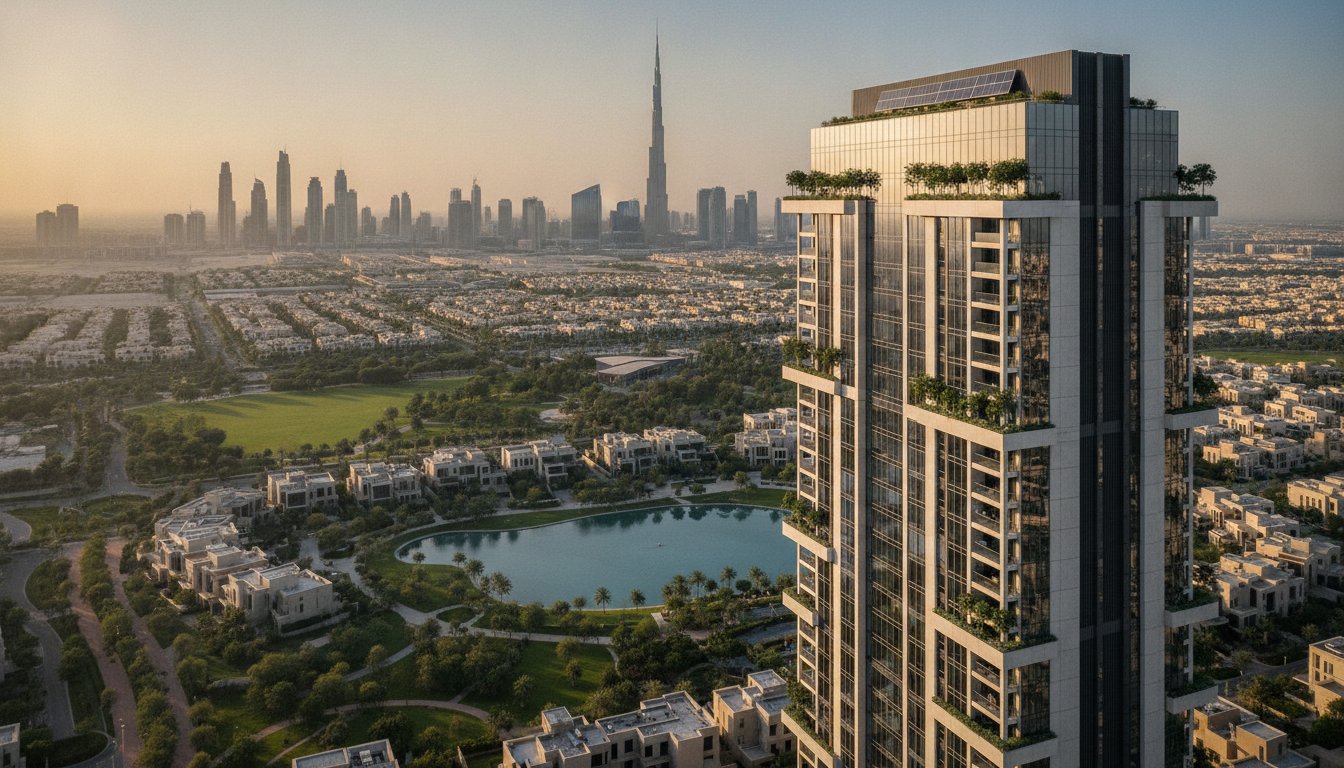
What if the scheduled delivery of over 90,000 new residential units by the end of 2025 isn’t a signal of a market peak, but the catalyst for a more resilient, institutional-grade economy? You’ve probably encountered conflicting reports about potential oversupply or felt uncertain about how shifting global interest rates might impact your local yields in the coming months. It’s a valid concern for any serious investor who values stability over speculation. This UAE property market forecast 2026 moves beyond the typical marketing noise to analyze the structural shifts that are defining this period of sustainable maturity. We’ll explore the specific supply dynamics across the Emirates and identify the high-growth segments that continue to attract significant capital. You’ll also find a practical risk-mitigation framework to help you secure your portfolio against volatility while capitalizing on the nation’s strategic expansion. By the end of this analysis, you’ll have the clarity needed to make informed decisions based on hard data rather than market sentiment.
Key Takeaways
- Understand the transition toward “Sustainable Maturity” and how this new phase of market stability offers a more secure environment for long-term capital preservation.
- Our UAE property market forecast 2026 analyzes the impact of supply normalization and the growing influence of institutional REITs on private investment portfolios.
- Evaluate the performance shift between off-plan developments and ready properties to identify which asset class aligns with your specific liquidity and yield requirements.
- Learn how to apply a professional framework for calculating “Real Net Yield” in AED (د.إ) to navigate oversupply concerns with data-driven confidence.
- Discover the “Chainex-Method” of strategic consulting, designed to provide a sophisticated bridge between premier developers and your personal wealth objectives.
The State of the UAE Real Estate Sector in 2026
The national market has entered a phase we define as Sustainable Maturity. This period marks a departure from the frantic, high-velocity acquisition cycles seen between 2022 and 2025. During those years, the influx of global capital and a post-pandemic population surge drove double-digit price hikes across most asset classes. By 2026, the UAE property market forecast 2026 reveals a landscape where capital appreciation has aligned with genuine economic productivity. Investors no longer chase speculative “flips” but instead focus on the intrinsic value of high-quality developments that offer reliable rental yields. This transition ensures that the wealth generated within the sector remains resilient against global volatility.
The macroeconomic stability of the UAE acts as the primary engine for this new era. With non-oil GDP growth reaching approximately 4.8% in the last fiscal year, the demand for residential and commercial space is rooted in a diversifying workforce rather than temporary capital flight. We see a market that has found its equilibrium. The 2026 market stands as a sophisticated, balanced environment where long-term holders find security through asset preservation and consistent cash flow.
From Hyper-Growth to Market Stabilization
Price rebalancing in 2026 isn’t a sign of weakness; it’s evidence of a maturing economy. While 2023 saw some prime districts experience 20% annual growth, 2026 has settled into a more sustainable 4% to 6% range. This moderation prevents the formation of an asset bubble and allows the secondary market to breathe. Transparency has become a cornerstone of this stability. Real-time data integration from the Dubai Land Department and Abu Dhabi’s DARI platform has reduced information gaps, ensuring that 95% of transactions are now supported by verifiable historical pricing. This clarity builds the professional trust our clients expect when managing their portfolios.
National Economic Indicators Supporting Real Estate
The correlation between economic diversification and property demand has never been stronger. As of early 2026, the expanded long-term residency visa program has reached a milestone, with over 150,000 Golden Visa holders contributing to a 12% increase in secondary market transactions compared to three years ago. These residents aren’t merely transient; they’re stakeholders in the nation’s future. Infrastructure projects also play a vital role. The completion of key phases of the Dubai Metro Blue Line and the operational expansion of Etihad Rail have unlocked value in previously peripheral districts. These connections have turned emerging areas into high-yield hubs, offering entry points for investors seeking the next growth frontier within a stabilized framework.
Primary Drivers Shaping the National Property Landscape
The evolution of the Emirates’ real estate sector into a mature, globally competitive asset class relies on four foundational pillars. As we analyze the UAE property market forecast 2026, it becomes evident that the era of speculative volatility has replaced itself with structured, data-driven growth. This transition toward “sustainable maturity” isn’t accidental; it’s the result of strategic supply management and a significant influx of institutional capital.
Market equilibrium is currently maintained by a disciplined pipeline of new handovers. Data indicates that over 150,000 residential units will reach completion nationwide through 2027. Unlike previous cycles, this supply specifically addresses a 3.5% annual population growth rate in hubs like Dubai and Abu Dhabi. Developers have pivoted from an exclusive focus on ultra-luxury assets to a more balanced, multi-tier residential offering. This strategy ensures that middle-income professionals, who form the backbone of the economy, find viable long-term housing solutions within the 1,500,000 د.إ to 3,000,000 د.إ price bracket.
Institutional capital is increasingly dominant. The rise of Real Estate Investment Trusts (REITs) and corporate portfolios provides a layer of stability that wasn’t present a decade ago. Sustainable development also dictates value. Buildings with LEED or Estidama certifications command premiums of up to 12% in rental yields. Investors prioritize these assets because they align with global ESG mandates. Recent International Monetary Fund analysis highlights the UAE’s robust non-oil GDP growth, which reinforces investor confidence in these long-term sustainable projects.
The Impact of New Supply on Market Equilibrium
The projected delivery of 150,000 units through 2027 represents a calculated response to genuine demand. This volume prevents the artificial price spikes seen in previous decades. By diversifying the inventory, the market now caters to a broader demographic. This ensures that the UAE property market forecast 2026 remains grounded in actual occupancy rather than speculative trading. Our consultants at Chainex Real Estate often observe that this variety allows for more sophisticated portfolio diversification for our clients.
Global Capital Inflow and Investor Demographics
The UAE serves as a premier safe haven. Capital inflows from Western Europe, India, and Southeast Asia remain strong as investors seek refuge from global geopolitical shifts. The Golden Visa program has fundamentally changed the landscape. Buyers no longer focus on rapid “flipping” for quick gains; they invest in family homes and long-term residences. This shift toward a “living” rather than “trading” mindset stabilizes the market and fosters a genuine sense of community across the seven Emirates.
Technological integration also plays a vital role. AI-driven valuations and blockchain-based transactions have streamlined the acquisition process. Smart contracts now reduce the time required for property transfers, ensuring transparency and security for international buyers who may not be physically present in the country during the closing process.
Strategic Analysis: Off-Plan Dominance vs. Ready Property Stability
The UAE property market forecast 2026 suggests a sophisticated split between speculative growth and long-term asset preservation. Off-plan units continue to lead in transaction volume, capturing roughly 58% of the market share. Investors favor these for their lower entry points, with entry-level luxury apartments often starting at د.إ 950,000 in developing corridors. Major national developers have shifted their strategies, offering increasingly flexible payment plans that extend 2 to 3 years post-handover. This evolution allows investors to manage cash flow more effectively while benefiting from the capital appreciation that occurs during the construction phase.
Ready properties are seeing a parallel surge in demand, particularly from institutional investors and those seeking immediate rental yields. In a mature market, the security of a physical asset that can be tenanted within 30 days is highly valued. Net yields for well-maintained ready units in prime locations like Dubai Hills Estate or Mohammed Bin Rashid City are stabilizing between 6.2% and 7.5%. A recent UAE real estate 2026 market analysis indicates that while supply is rising, the appetite for high-quality, finished homes remains robust. The current “sweet spot” for high-yield seekers is properties at 75% completion. These assets offer a blend of off-plan pricing advantages with a significantly reduced delivery risk profile.
The Evolving Off-Plan Sales Model
Off-plan remains a favorite because it democratizes access to premium real estate. In 2026, the focus has shifted from “buying a dream” to “buying a track record.” Investors now prioritize developers with a 100% completion rate over those offering the lowest price per square foot. This transparency is vital for maintaining market health. If you’re exploring these opportunities for the first time, it’s crucial to understand the legal protections in place. Our comprehensive guide on how to buy property in dubai provides the technical clarity needed to navigate escrow accounts and registration procedures safely.
Secondary Market Resilience and Upgrading Trends
The secondary market is no longer just a resale hub; it’s a primary choice for residents committed to the UAE for the long term. We’re seeing a distinct trend of “primary residence” buyers who are moving out of the rental cycle. These buyers typically look for:
- Larger floor plans for growing families.
- Upgraded interiors with sustainable, smart-home technology.
- Established communities with mature landscaping and schools.
This demand has sparked a renovation boom. Investors are purchasing older villas in areas like Meadows or Arabian Ranches, spending د.إ 400,000 on modernizations, and achieving a 25% uplift in resale value. Professional property management plays a central role here, as high maintenance standards are now a non-negotiable requirement for maintaining secondary market asset value in the UAE property market forecast 2026.
Investment Risk Mitigation and Yield Expectations
Investors often ask if the UAE is heading toward an oversupply crisis as thousands of new units enter the pipeline. While the volume of project launches in 2024 was historic, the UAE property market forecast 2026 suggests a different reality. Historical data shows a consistent “delivery gap” where only 60% to 70% of announced units actually reach completion on schedule. When you factor in the Dubai 2040 Urban Master Plan’s goal of accommodating 5.8 million residents, the supply isn’t just justified; it’s necessary. The market is maturing, moving away from speculative spikes toward a phase of sustainable absorption driven by genuine population growth.
To calculate your Real Net Yield in 2026, you shouldn’t just look at the headline rental figures. A professional framework requires subtracting annual service charges, a 5% property management fee, and a 1% sinking fund for maintenance from the gross income. You must then divide this by the total acquisition cost, which includes the 4% Dubai Land Department (DLD) fee and administrative costs. Maintaining 5-8% net yields ensures the Emirates remains a top-tier destination for capital, especially when compared to the 3-4% net returns common in London or New York where high taxes further erode profits.
Managing Rental Yield Expectations
We are entering a period of rental normalization. The triple-digit growth seen in some districts during 2024 and 2025 is transitioning into steady, single-digit appreciation. Yield compression is naturally occurring in prime areas like Palm Jumeirah or Downtown Dubai as capital values rise. However, this is being balanced by high-performing emerging hubs. Areas such as Arjan, Dubai South, and Town Square offer lower entry points and higher rental ratios. Engaging professional property management services is becoming a critical strategy to maintain these yields, as expert tenant screening and proactive maintenance keep occupancy rates above the 95% threshold required for optimal ROI.
Risk Factors to Monitor in H2 2026
- Interest Rate Lag: Local mortgage demand remains sensitive to the UAE Central Bank’s base rate, which mirrors the US Federal Reserve. A “higher for longer” scenario could shift the market further toward cash buyers.
- The Delivery Gap: Monitor actual handover certificates rather than developer brochures. A sudden surge in physical completions in specific micro-markets can lead to temporary rental softening.
- Speculative Niche Bubbles: Avoid segments driven purely by short-term “flipping” activity. Focus on assets with high end-user appeal, such as three-bedroom villas or apartments near established school districts, which show more resilience during market corrections.
Strategic investors in 2026 will prioritize “quality of build” over “lowest price per square foot.” As the market stabilizes, the premium for well-maintained, branded residences will widen. This flight to quality is the most effective hedge against localized supply surges, ensuring your asset remains desirable to the growing demographic of long-term expatriate families and high-net-worth individuals making the UAE their primary home.
Future-Proofing Your Portfolio with the Chainex Strategic Approach
The Chainex-Method represents a fundamental shift in how investors approach the Middle Eastern real estate sector. We don’t just facilitate sales; we provide a comprehensive consulting framework. Our team operates as a strategic bridge between top-tier developers, major financial institutions, and private investors. This specialized consulting becomes vital as the market enters a phase of sustainable maturity. By the time the UAE property market forecast 2026 becomes reality, the era of speculative flipping will have evolved into a sophisticated game of yield optimization and capital preservation.
Our role involves identifying undervalued assets before they reach the mass market. This early-access advantage allows our clients to secure entries at valuations that often sit significantly below eventual launch prices. We focus on data, not hype. The Chainex-Method is built on three pillars: rigorous data verification, direct developer relations, and bespoke financial modeling. We don’t rely on brochures. Our consultants visit sites, verify construction progress, and analyze infrastructure projects to find the next growth corridor before the general public notices the trend.
Beyond Transactions: Strategic Portfolio Management
The year 2026 requires a move from simply buying properties to building resilient portfolios. You aren’t just looking for a roof; you’re looking for a vehicle that protects wealth. Chainex provides the granular market intelligence required for these high-stakes decisions. We analyze rental yields, which currently stay strong across prime districts, to ensure your capital works efficiently. For those focusing on high-end assets, our luxury property dubai guide offers deep insights into properties that remain insulated from global volatility. We help you balance your holdings between ready-to-move-in units and off-plan projects to maximize liquidity and capital appreciation.
Your Partner in UAE Real Estate Success
You need a partner who understands how national initiatives like the Dubai 2040 Urban Master Plan influence long-term values. We don’t guess. We use data-driven projections to guide every step of your investment. You can start your journey with a personalized market analysis session. During this session, we’ll audit your current holdings and identify growth gaps. The transition toward a more regulated market means the window for high-alpha returns is narrowing. Acting now ensures you’re positioned correctly within the UAE property market forecast 2026 landscape. Maximize your portfolio with Chainex Real Estate to secure your financial legacy in the region’s most stable economy. We’re here to turn market complexity into your competitive advantage.
Mastering the 2026 Investment Horizon
The UAE property market forecast 2026 signals a definitive shift toward a mature, sustainable ecosystem where long-term value outweighs short-term speculation. Investors who focus on high-growth luxury corridors and the stabilizing influence of ready-to-move assets will find themselves best positioned for consistent returns. Success in this refined landscape depends on data-driven decisions and a deep understanding of the Dubai Land Department’s evolving regulatory framework.
Navigating these complexities requires a partner who understands the nuances of the luxury, off-plan, and commercial sectors. Chainex acts as a dedicated strategic partner, bridging the gap between world-class developers and international investors through specialized consulting and rigorous market analysis. We’re committed to providing the clarity you need to future-proof your portfolio against market shifts while maximizing yield expectations.
Consult with Chainex for a 2026 Market Analysis to ensure your strategy aligns with the next era of national growth. We look forward to helping you secure a sophisticated and profitable future in the Emirates.
Frequently Asked Questions
Is the UAE property market expected to crash in 2026?
Current data from S&P Global suggests the market is entering a phase of sustainable maturity rather than a bubble. Analysts predict a price stabilization between 2% and 5% in 2026, which prevents the overheating seen in previous cycles. This transition reflects a healthy correction where supply better aligns with the steady 3.5% annual population growth in Dubai. You can invest with confidence knowing the regulatory environment now mandates higher escrow protections for your security.
What are the best types of property to invest in for 2026?
High-yield opportunities for 2026 focus on branded residences and LEED-certified sustainable villas. These assets currently command a 15% premium over standard developments due to investor demand for long-term efficiency. If you’re seeking capital appreciation, the UAE property market forecast 2026 highlights emerging hubs like Dubai South and Al Reem Island in Abu Dhabi. These locations benefit from proximity to the expanded Al Maktoum International Airport and new infrastructure projects.
How much has the UAE property market grown in the last year?
During 2023, Dubai’s residential market recorded a 19% increase in property prices, while transaction volumes rose by 38% compared to the previous year. Data from the Dubai Land Department shows that total sales reached a record AED 411 billion. This momentum has continued through 2024 with a 12% growth in the first half alone. These figures demonstrate a robust appetite from both domestic buyers and international investors seeking a secure haven for capital.
Can foreigners still get a Golden Visa through property investment in 2026?
You can still secure a 10-year Golden Visa by investing a minimum of AED 2,000,000 in UAE real estate. The government recently simplified this process by removing the requirement for a minimum down payment, allowing investors to qualify even if the property is mortgaged or off-plan. This policy remains a cornerstone of the UAE’s strategy to attract long-term residents. Our team ensures your portfolio meets all Federal Authority for Identity and Citizenship requirements for a seamless application.
What is the average rental yield for property in the UAE right now?
Average gross rental yields in Dubai currently range between 6% and 9%, significantly outperforming global hubs like London or New York which often stay below 4%. Apartments in areas like Jumeirah Village Circle frequently reach the higher end of this spectrum. In Abu Dhabi, yields remain stable at approximately 7% for prime residential units. These returns offer you a reliable passive income stream while the underlying asset benefits from steady capital appreciation and high occupancy rates.
Should I buy off-plan or ready property in the current 2026 market?
Your choice depends on whether you prioritize immediate cash flow or long-term capital gains. Off-plan properties currently offer attractive payment plans spanning 3 to 5 years, often with lower entry prices that benefit from the UAE property market forecast 2026 growth projections. Ready properties are ideal if you want to capitalize on the current high rental demand immediately. We recommend a balanced portfolio that includes both asset types to mitigate risk and maximize your liquidity.
How do global interest rates affect the UAE real estate forecast?
Because the UAE Dirham is pegged to the US Dollar, local mortgage rates closely follow the Federal Reserve’s decisions. However, approximately 70% of transactions in Dubai are cash-based, which shields the market from high-interest rate volatility. Even if rates stay elevated, the influx of international wealth ensures liquidity remains high. This unique market structure provides a layer of protection that isn’t typically found in more credit-dependent Western real estate markets, ensuring long-term stability.
What role does sustainability play in property value in 2026?
Sustainability is now a primary driver of valuation, with green-certified buildings seeing a 10% higher resale value than traditional structures. Buyers in 2026 prioritize energy-efficient features that reduce cooling costs by up to 25%. Projects incorporating solar panels, smart waste management, and recycled water systems attract a more sophisticated demographic of tenants. Investing in sustainable developments isn’t just an ethical choice; it’s a strategic move to future-proof your investment against changing environmental regulations and tenant preferences.