


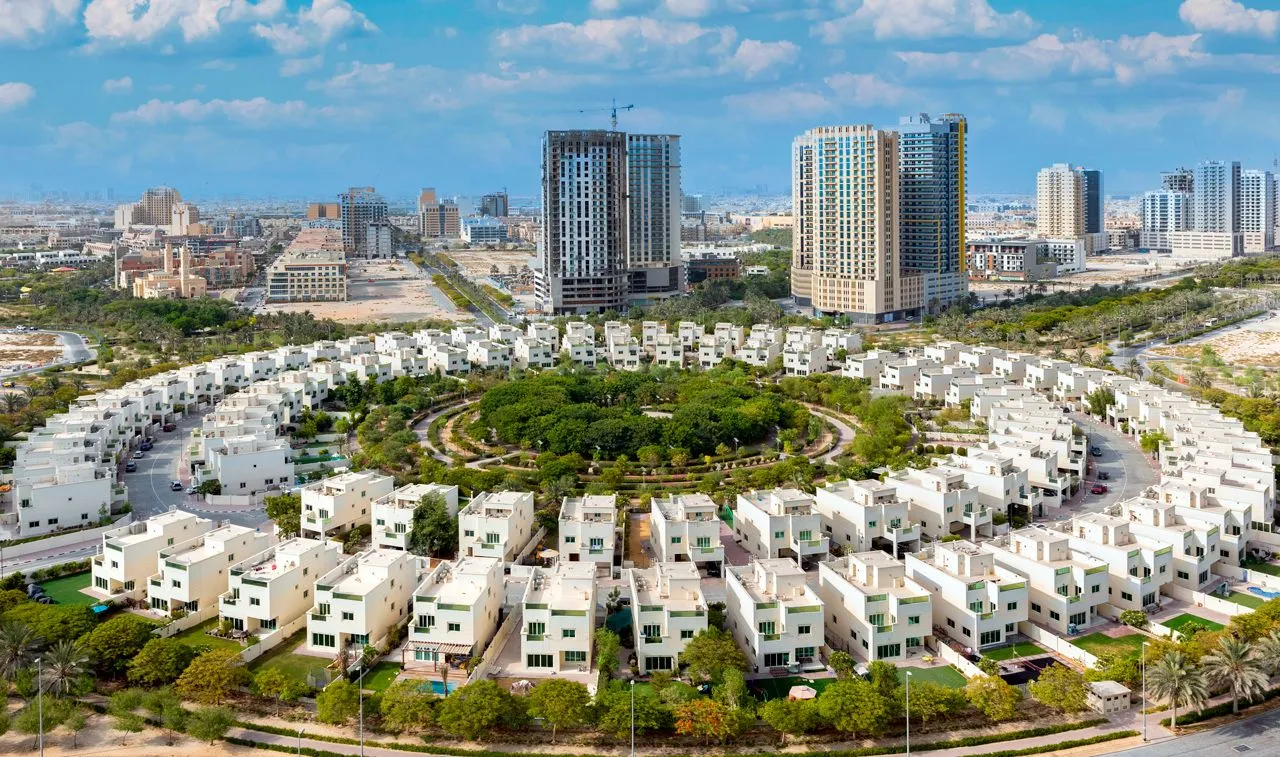
The most profitable asset in your 2026 portfolio might not be the one with the most famous view. While global investors often gravitate toward established landmarks, the highest capital appreciation is currently shifting toward emerging corridors fueled by the UAE’s 2031 vision for economic diversification. You’re likely aware that market volatility and localized oversupply in certain districts make the search for the best areas for property investment in UAE more complex than in previous cycles. It’s a challenge to balance the immediate cash flow of ready units against the significant growth potential of strategic off-plan acquisitions.
Market reports from the first half of 2026 indicate a steady 5.2% year-on-year increase in average price per square foot across prime districts. Investors are no longer just looking at capital appreciation; they’re prioritizing sustainability. Data shows that “green-certified” residential towers in Dubai and Abu Dhabi command an 8% rental premium over traditional structures. “In 2026, the UAE property market has transitioned from speculative growth to a mature, yield-driven ecosystem.” This evolution, often tracked via comprehensive platforms like Dubai Estate, makes identifying the best areas for property investment in UAE a matter of analyzing long-term utility, environmental impact, and infrastructure proximity rather than short-term market hype.
Jumeirah Village Circle (JVC) has transitioned from a developing community into a powerhouse for mid-market yields, often exceeding 7.5% in 2026. Its appeal lies in its circular design and proximity to major highways. Business Bay remains the preferred choice for corporate professionals who prioritize short commutes to the Dubai International Financial Centre. For investors seeking even more exclusive opportunities, such as Luxury Hotel Apartments, our Luxury Property in Dubai Guide provides a deeper dive into the ultra-high-net-worth segment.
We’ve analyzed the latest market data to help you identify 3 to 5 high-performing hubs that prioritize security and long-term value. This roundup clarifies the 2026 regulatory landscape and explores how a professional management partner can insulate your investment from common market frictions. You’ll gain a clear roadmap for selecting districts where infrastructure projects, such as the 2030 rail expansions, are already driving demand. Let’s explore the frontiers where your capital works hardest.
Key Takeaways
- Understand how the 2026 global economic landscape and the expanded Golden Visa program have solidified the UAE as the premier safe haven for international capital.
- Identify the best areas for property investment in UAE by analyzing high-occupancy urban hubs that consistently deliver maximum rental yields for discerning investors.
- Explore the “RAK Effect” and the emerging frontiers of the Northern Emirates, where the gaming and luxury resort sectors are driving unprecedented property appreciation.
- Learn to strategically navigate the 2026 market by choosing between high-cash-flow apartments and high-growth villas based on your specific portfolio objectives.
- Discover how a strategic partnership with Chainex Real Estate provides the sophisticated market analysis and personalized management required to secure premium assets.
The UAE Real Estate Investment Landscape in 2026
By 2026, the United Arab Emirates has firmly established itself as the premier global safe haven for capital. This stability isn’t accidental; it’s the result of decade-long strategic planning and a commitment to investor security. The expanded Golden Visa program, which saw a 35% increase in long-term residency grants between 2024 and 2026, has shifted the market from a transient hub to a permanent residential destination. This shift directly influences the best areas for property investment in UAE, as demand moves toward family-centric communities and integrated urban hubs that support long-term living.
Economic resilience is fueled by a non-oil GDP growth rate that hit 4.8% in the first quarter of 2026. Major infrastructure projects, including the full operational capacity of the Etihad Rail passenger service and the phase-two expansion of Al Maktoum International Airport, have redefined connectivity between the emirates. For those studying Dubai’s real estate market history, the current era represents a peak in structural maturity. The “Freehold” status remains the primary magnet for international capital, offering 100% ownership in designated zones that continue to attract 70% of all foreign direct investment in the region.
Regulatory Stability and Investor Protections
The Dubai Land Department (DLD) continues to set global benchmarks for transaction security through its blockchain-integrated registry, which has reduced property transfer times to under 15 minutes. In Abu Dhabi, the Real Estate Centre (ADREC) launched its 2026 transparency initiative, providing investors with real-time data on service charges and historical yield performance. These frameworks, combined with strict escrow account requirements that mandate 100% of buyer funds stay protected until specific construction milestones are verified, ensure a secure environment for off-plan acquisitions.
Market Sentiment: Growth Projections for 2026
Market reports from the first half of 2026 indicate a steady 5.2% year-on-year increase in average price per square foot across prime districts. Investors are no longer just looking at capital appreciation; they’re prioritizing sustainability. Data shows that “green-certified” residential towers in Dubai and Abu Dhabi command an 8% rental premium over traditional structures. “In 2026, the UAE property market has transitioned from speculative growth to a mature, yield-driven ecosystem.” This evolution makes identifying the best areas for property investment in UAE a matter of analyzing long-term utility, environmental impact, and infrastructure proximity rather than short-term market hype.
- Non-oil GDP growth reached 4.8% in Q1 2026.
- Golden Visa holders now account for 22% of all property transactions.
- Escrow protections cover 100% of off-plan buyer capital until construction milestones are met.
Prime Metropolitan Districts for Maximum Rental Yields
As we analyze the 2026 landscape, the best areas for property investment in UAE are those that successfully merge residential comfort with commercial accessibility. Established urban hubs now maintain occupancy rates consistently above 94% due to a restricted supply of ready-to-move units. This scarcity drives rental yields upward, particularly in districts where expats can live within a 15-minute walking radius of their workplace. The current legal environment, detailed in the foreign investment regulations in the UAE, continues to foster a secure atmosphere for international capital, ensuring that these high-occupancy zones remain protected by robust investor-friendly policies.
Walkability and integrated amenities have become the primary drivers of tenant retention in 2026. Modern skyscrapers that offer “vertical cities” including retail, fitness centers, and co-working spaces on-site see the lowest turnover rates. High expat density in these zones ensures a constant rotation of professional tenants who prioritize convenience over lower rent in peripheral areas. This trend has solidified the status of metropolitan centers as the safest bets for consistent cash flow.
Established High-Yield Apartments
Jumeirah Village Circle (JVC) has transitioned from a developing community into a powerhouse for mid-market yields, often exceeding 7.5% in 2026. Its appeal lies in its circular design and proximity to major highways. Business Bay remains the preferred choice for corporate professionals who prioritize short commutes to the Dubai International Financial Centre. For investors seeking even more exclusive opportunities, our Luxury Property in Dubai Guide provides a deeper dive into the ultra-high-net-worth segment.
The Resilience of Waterfront Urban Living
Waterfront living remains a non-negotiable preference for a significant portion of the rental market. Dubai Marina and Jumeirah Lake Towers (JLT) have seen capital appreciation rates of 12% over the last eighteen months. Properties with direct water views command a 20-30% premium in rental income compared to inland units in the same district. In 2026, the secondary market for these mature areas is particularly active; investors are targeting renovated units that offer immediate cash flow and proven track records. The best areas for property investment in UAE are those that offer this blend of lifestyle and liquidity.
The Chainex approach focuses on identifying these high-performance pockets before market saturation occurs. If you’re ready to refine your strategy, consult with our team for a personalized portfolio review that aligns with your long-term financial goals.
Emerging Investment Frontiers: Beyond the Traditional Hubs
The 2026 investment landscape extends far beyond the familiar skylines of Dubai, inviting sophisticated investors to explore the rapid evolution of Abu Dhabi and the Northern Emirates. Strategic growth is no longer confined to a single city; it’s now distributed across a network of high-performing islands and coastal developments. The expansion of the Etihad Rail network serves as a primary driver for this shift, as it creates a seamless link between the seven emirates. This connectivity increases the intrinsic value of properties located near rail terminals, positioning them among the best areas for property investment in UAE for the coming decade.
Detailed UAE residential property market analysis suggests that while traditional hubs offer stability, these emerging frontiers provide higher ceilings for capital appreciation. Our perspective at Chainex views these regions not just as alternatives, but as essential components of a diversified and future-proof portfolio. The focus has shifted toward locations that offer a blend of lifestyle, infrastructure, and unique economic drivers.
Abu Dhabi’s Cultural and Entertainment Islands
Saadiyat Island stands as a testament to luxury, where the integration of the Louvre Abu Dhabi and the upcoming Zayed National Museum creates a unique culture-premium for local real estate. Investors here benefit from a market that targets the global elite, ensuring long-term value retention. Yas Island, conversely, thrives on the energy of the entertainment sector. With the expansion of SeaWorld and existing theme parks, the island maintains high rental yields through a robust short-term rental market. It’s the preferred choice for family-oriented investors who value the safety and integrated lifestyle services that the capital provides.
Northern Emirates: The New Tourism Magnet
Al Marjan Island in Ras Al Khaimah is the epicenter of what we call the RAK Effect. The construction of the Wynn Al Marjan Island resort has fundamentally altered the region’s economic trajectory, drawing global attention to its 2026 project pipeline. For first-time international investors, the Northern Emirates offer a more accessible entry point without sacrificing the quality of the asset. The tourism-driven ROI model in Ras Al Khaimah utilizes a high-occupancy strategy where property values are directly tied to the 22,000 hotel rooms expected to be operational by 2027. This influx of visitors ensures that residential units, particularly those with beachfront access, remain in high demand throughout the year. As you look for the best areas for property investment in UAE, the Northern Emirates represent a rare opportunity to enter a market at the beginning of its peak growth cycle.
- Connectivity: Etihad Rail reduces travel time between Abu Dhabi and Dubai to 50 minutes.
- Tourism Growth: Ras Al Khaimah targets over 3 million visitors annually by 2030.
- Capital Appreciation: Coastal developments in RAK saw a 15% price increase throughout 2025.
Yield vs. Appreciation: Comparing 2026 Investment Strategies
Success in the 2026 market requires a clear distinction between immediate cash flow and long-term equity building. Investors targeting the best areas for property investment in UAE often weigh high-yield apartments against high-growth villas. While a studio in a high-density hub might provide a net yield of 7% to 9%, a premium villa in a developing corridor often sees capital appreciation of 12% to 18% during the construction phase. The “Total Return” metric is the most reliable tool for this assessment. It combines annual rental income with projected value growth while subtracting service charges and maintenance costs. This holistic view prevents the common mistake of chasing high yields in areas where property values are stagnating.
Some skeptics ask if there’s still room for capital growth in 2026. The answer lies in the hard data. With the Dubai 2040 Urban Master Plan aiming for a population of 5.8 million, the demand for housing continues to outpace supply in specific sectors. Infrastructure expansions, such as the Blue Line Metro project with its 30-kilometer extension, create localized price surges in previously undervalued zones. We focus on these data-driven opportunities to ensure your capital doesn’t just sit; it works. To calculate your potential, consider these factors:
- Gross Rental Yield: The annual rent divided by the property price.
- Capital Appreciation: The increase in market value over a specific holding period.
- Service Charge Deductions: Annual fees that impact your net take-home profit.
- Exit Liquidity: How quickly the asset can be converted back to cash in the 2026 market.
The Off-Plan Advantage in 2026
Off-plan properties remain a cornerstone of the Chainex strategy due to flexible payment structures. You’ll often find 60/40 or 70/30 plans that allow you to manage liquidity without tying up 100% of your capital upfront. To mitigate risk, we analyze developer performance through the Dubai Land Department’s official rankings and escrow account compliance. This transparency is vital for identifying the best areas for property investment in UAE. You can learn more about these processes in our guide on How to Buy Property in Dubai.
Secondary Market Stability
Ready-to-move properties offer the security of immediate rental returns. In 2026, we’re seeing a rise in “buy-to-renovate” strategies in established communities like Emirates Living or Jumeirah Islands. Upgrading a 15-year-old villa can increase its market value by 25% or more, often yielding a higher ROI than new builds. However, you must account for maintenance. Luxury apartments in the Burj Khalifa district usually carry higher service fees per square foot compared to suburban villas. Balancing these costs against the rental income is the key to a stable portfolio.
Maximizing Your Portfolio with Chainex Real Estate
Chainex Real Estate operates as a dedicated strategic partner for international investors who demand more than simple transactions. By 2026, the UAE property market is projected to sustain its upward trajectory, fueled by the Dubai 2040 Urban Master Plan which aims to increase the city’s population to 5.8 million people. We don’t just follow trends; we anticipate them. Our 2026 approach integrates advanced market analytics with deep-rooted local connections to identify the best areas for property investment in UAE before they reach peak pricing. We focus on high-yield districts where infrastructure development correlates directly with capital appreciation, ensuring your capital works as hard as possible.
Specialized Investment Consulting
Our process begins with identifying undervalued assets in both prime and emerging locations. We’ve developed a rigorous screening method that filters properties based on proximity to major transport hubs, such as the Al Maktoum International Airport, which is scaling to handle 260 million passengers. The “Chainex-approach” to portfolio diversification goes beyond picking a single unit. We help you balance holdings across different asset classes, from luxury residential units to commercial spaces. By acting as a bridge between top-tier developers and global financial institutions, we facilitate access to exclusive off-plan opportunities and favorable financing terms that aren’t typically available to the general public.
Seamless Management and Acquisition
For overseas owners, distance shouldn’t be a barrier to success. We handle the entire lifecycle of your investment, from the initial legal paperwork to ongoing tenant relations. Our acquisition team reduces friction by coordinating with legal experts and financial advisors to ensure every contract is airtight and compliant with the latest RERA regulations. We manage your property with a focus on long-term value, offering transparent leasing services and maintenance oversight. This end-to-end support allows you to enjoy passive income without the logistical headaches of cross-border management. If you’re ready to refine your strategy for the coming years, schedule a consultation with our investment experts. Let’s explore how the best areas for property investment in UAE can transform your financial future through our personalized, high-touch advisory service.
Mastering the 2026 UAE Real Estate Market
The 2026 landscape demands a definitive shift from traditional speculation to data-driven asset selection. Identifying the best areas for property investment in UAE requires a precise balance between the high rental yields found in established metropolitan districts and the significant capital appreciation emerging in new frontiers. By 2026, market maturity in global hubs like Dubai will reward investors who prioritize long-term stability and strategic positioning over short-term speculation.
Chainex Real Estate serves as a strategic partner to major UAE developers, ensuring you gain priority access to high-value assets before they reach the general market. We offer comprehensive portfolio management for international investors, providing seamless expertise in both secondary and off-plan markets. Our team handles the intricate details of acquisition and management so you don’t have to worry about the logistics of your overseas holdings. We’ve built our reputation on navigating these complex cycles with precision and discretion.
Success in this evolving market isn’t just about finding a property; it’s about building a legacy through informed, professional partnerships. Explore our exclusive 2026 UAE property listings today and take the first step toward a more secure financial future. We’re ready to ensure your investment journey is as rewarding as the destination itself.
Frequently Asked Questions
What is the average rental yield for property in the UAE in 2026?
Can foreigners own 100% of the property in all areas of the UAE?
Foreigners can own 100% of a property only in designated freehold areas as established by Decree No. 7 of 2006. In non-freehold areas, ownership is typically restricted to 99 year leasehold agreements. When looking for the best areas for property investment in UAE, investors should focus on zones like Dubai Marina or Palm Jumeirah. These locations grant absolute ownership rights to non-GCC nationals, including the land the structure sits on.
Which Emirate offers the highest capital appreciation for 2026?
Ras Al Khaimah is projected to lead capital appreciation in 2026 with an estimated 15% annual growth in specific coastal corridors. This surge is driven by the 2027 scheduled opening of the Wynn Al Marjan Island resort. While Dubai remains a stable powerhouse, the entry price points in Ras Al Khaimah offer a higher percentage of growth for early stage investors. Data from the RAK Municipality suggests a 20% increase in residential transaction volumes during the previous fiscal year.
What are the additional costs of buying investment property in the UAE?
Buyers should budget approximately 7% of the property value for additional transaction fees beyond the purchase price. This total includes a 4% Dubai Land Department transfer fee and a 2% agency commission plus VAT. To compare these transaction costs with other major luxury markets, you can explore Property Sales Commissions through Zed Real Estate’s insights on the Australian sector. You’ll also encounter mortgage registration fees of 0.25% if you’re financing the purchase. Administrative costs like the Title Deed issuance fee of 580 AED are fixed and mandatory for all transactions.
How does the UAE Golden Visa impact property investment decisions?
The UAE Golden Visa program incentivizes long term investment by offering 10 year residency to those purchasing property valued at 2 million AED or more. This policy has shifted the market toward larger family homes and luxury apartments. Investors don’t need to maintain employment to stay in the country, which increases the secondary market’s liquidity. Recent updates allow owners of off-plan properties to apply once their equity reaches the required threshold.
Is it better to invest in off-plan or ready-to-move properties in 2026?
Off-plan properties offer higher capital gains potential through staggered payment plans, while ready properties provide immediate rental cash flow. In 2026, off-plan remains attractive for those seeking the best areas for property investment in UAE due to lower entry prices and modern design standards. Ready-to-move units are preferred by risk-averse investors who want to capitalize on current 7% average rental yields immediately. Your choice depends on whether you prioritize long term appreciation or monthly income.
What taxes do I need to pay on rental income in the UAE?
The UAE currently imposes 0% personal income tax on rental earnings for individual property owners. While there’s no federal income tax, owners must pay a 5% housing fee to the municipality, which is usually collected through utility bills. Corporate investors might be subject to the 9% corporate tax if their annual net profit exceeds 375,000 AED. This tax-efficient environment remains a primary driver for international capital flight into the region.
How do I verify the reliability of a property developer in Dubai?
You can verify a developer’s reliability by checking their registration and project status on the Dubai REST app provided by the Dubai Land Department. This official platform lists the escrow account details for every registered project, ensuring your funds are protected under Law No. 8 of 2007. Reviewing a developer’s track record of delivered units from the past 10 years provides a clear picture of their construction quality. It’s essential to avoid any project that doesn’t have a government-approved escrow account.