


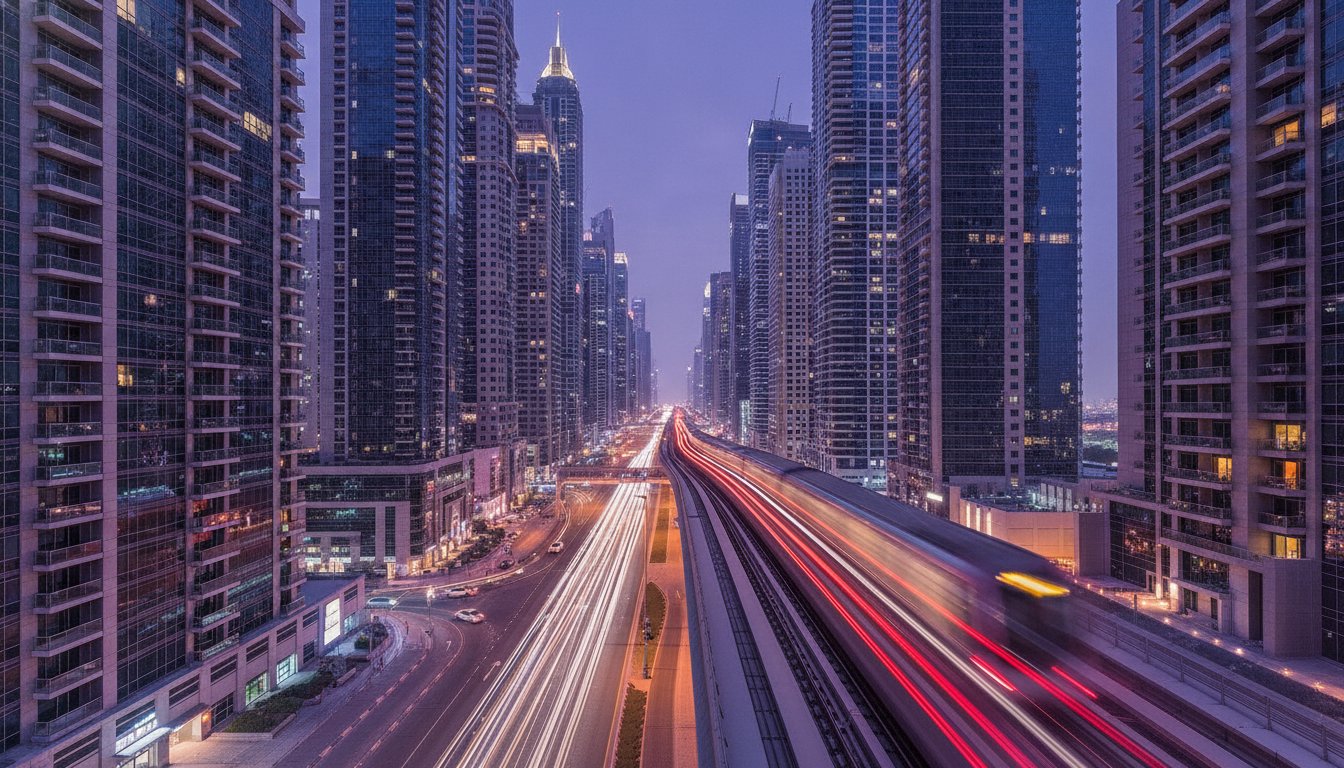
Properties located within a 500 meter radius of a Dubai Metro station appreciate by 22% to 30% and lease 14 days faster than those in less connected areas. You likely recognize the Red Line as the city’s most vital transport link, but the 2026 transition to a three route operational model has left many investors questioning where the highest ROI now lies. It’s no longer just a train line; it’s a mature economic corridor that dictates the pace of the entire metropolitan property market.
In this guide, Dubai Metro Lines Explained: Red, you’ll discover how the current infrastructure and the Jabal Ali fork influence premium lifestyle choices and property values. We’ll clarify the complexities of the 2026 network, including the impact of the AED 14 daily fare cap on rental demand in emerging hubs. You’ll gain the professional insight needed to navigate the metropolitan landscape, moving from uncertainty to a position of strategic advantage. We’ll examine the specific zones where infrastructure led growth is peaking, ensuring your next real estate decision is backed by the latest 2026 transit data and market trends.
Key Takeaways
- Understand how the 67 kilometer corridor serves as the city’s primary economic backbone through our detailed guide, Dubai Metro Lines Explained: Red.
- Master the 2026 tri route operational model and the Y junction logic at Jabal Ali to navigate the metropolitan landscape with professional confidence.
- Learn why properties within a 10 minute walk of Red Line stations command a price premium of up to 30% and experience significantly lower vacancy rates.
- Discover how Gold Class features and premium amenities elevate the transit experience, aligning with the lifestyle expectations of high end property residents.
- Identify strategic investment opportunities along the metropolitan corridor by leveraging the Chainex approach to infrastructure led portfolio growth.
The Red Line as a Strategic Economic Artery
The Red Line serves as the primary longitudinal backbone of the metropolitan transit network, stretching across 67 kilometres of the city’s most productive land. It functions as the critical link between the eastern gateway of the international airport and the western exhibition hubs of Expo City, anchoring the city’s economic expansion. Over the years, this infrastructure has evolved from a simple transport project into the primary driver of Transit-Oriented Development (TOD). This approach to urban planning prioritizes high-density living and sustainable mobility, creating a landscape where ease of movement is a marker of prestige. Understanding Dubai Metro Lines Explained: Red is vital for any investor looking to map out the city’s future growth zones. By concentrating development around these hubs, the city has fostered a resilient real estate environment that rewards proximity with long-term stability and unmatched convenience.
Historical Significance and Modern Evolution
Since its 2009 inauguration, the system has transitioned into a record-breaking network that supported 295 million passengers in 2025 alone. This journey from a visionary project to a daily necessity has redefined how business districts like DIFC and Business Bay interact with residential neighborhoods. The architecture of the stations has matured into premium urban landmarks, mirroring the luxury of the surrounding skyline and setting a global standard for public infrastructure. It’s a testament to the city’s ability to scale luxury and efficiency simultaneously.
Connectivity and Intermodal Integration
The Red Line provides seamless national travel through its interfaces with the Green Line and the future Blue Line. The Route 2020 extension remains a strategic masterstroke for western metropolitan expansion, linking established districts with new growth centers. Understanding Dubai Metro Lines Explained: Red helps residents navigate these connections with professional ease. To ensure a premium end-to-end experience, major hubs now feature integrated last-mile solutions:
- Dedicated RTA shuttle bus networks
- Climate-controlled pedestrian walkways
- Electric scooter and bicycle rental stations
Navigating the 2026 Network: The Three-Route Operational Model
To truly master the metropolitan commute, understanding the Dubai Metro Lines Explained: Red framework is essential for every professional. The 2026 operational model utilizes a sophisticated tri route system designed to manage high density traffic across the city’s most active corridors. Central to this logic is the Y junction located at the Jabal Ali interchange, where the line bifurcates to serve both the UAE Exchange and Expo City Dubai branches. This layout allows the RTA to deploy trains strategically, ensuring that the busiest sections of the track receive the highest volume of service without compromising the reach of the outer stations. Data from the CBRE Dubai Metro Report 2023 indicates that this level of operational efficiency directly correlates with the sustained demand for high end residential units. By integrating smart app technology, passengers can now receive real time route suggestions, allowing for seamless transitions between the different service patterns. If you’re seeking to capitalize on these high frequency corridors, exploring apartments for rent in dubai within walking distance of a primary hub is a prudent first step for any modern resident.
Step-by-Step Guide to Route Selection
Navigating the platforms requires a quick glance at the digital signage to distinguish between the three distinct service layers. Route 1 offers the full line experience from Centrepoint to Expo 2020, while Route 2 provides short turn services that focus on the high density central hubs to alleviate congestion. During the morning and evening rushes, Route 3 services provide direct transit between major financial districts, bypassing smaller stations to save valuable time. The 2025 RTA update successfully reduced average wait times by 20% across the entire network. This precision ensures that even during the busiest hours, your journey remains predictable and efficient.
Timing and Frequency for the Modern Professional
The rhythm of the city is mirrored in the metro’s 2026 frequency, which now sees trains arriving every 3 minutes during peak windows. These critical periods run from 7:00 AM to 9:00 AM and again from 4:00 PM to 8:00 PM, catering to the metropolitan workforce. Outside of these hours, the system maintains a steady flow, providing late night connectivity that supports the city’s vibrant lifestyle. Digital timing boards at premium stations offer second by second updates, removing the guesswork from your daily schedule. This reliability is why the Red Line remains the preferred choice for those who value both their time and their professional image.
Elevating the Journey: Premium Features and Global Standards
The Red Line isn’t merely a utility; it’s a sophisticated extension of the city’s luxury real estate market. When examining Dubai Metro Lines Explained: Red, you must consider the uncompromising standards of comfort that define the daily commute for the city’s elite. From the meticulously maintained stations to the precision of the driverless system, every detail reflects a commitment to global excellence. This environment provides a seamless transition for those who live in premium developments, ensuring that the high standards of their home life are mirrored in their metropolitan travels. It’s this consistency in quality that maintains the high demand for transit linked assets across the corridor.
The Gold Class Experience
For the discerning professional, the Gold Class cabin offers a sanctuary of productivity and panoramic views of the skyline. Many property investors choose this mode of transport for business meetings in DIFC or Dubai Marina to bypass the unpredictable traffic of Sheikh Zayed Road. The cabin features plush leather seating, ample legroom, and dedicated quiet zones. High speed Wi-Fi allows for uninterrupted portfolio management or strategic planning while on the move. It’s a lifestyle choice that values time as the ultimate luxury, providing a serene environment that perfectly matches the “Chainex-approved” standard of living.
Inclusivity remains a cornerstone of the network’s design. The system features full accessibility standards that exceed international requirements, with dedicated spaces and tactile paving throughout every station. Additionally, the Women and Children cabins offer enhanced comfort and privacy, a feature highly valued by families residing in the metropolitan corridor. These dedicated zones ensure a secure and relaxed environment for the most vulnerable passengers, reinforcing the city’s reputation for safety and social consideration. This focus on security is a primary driver for families looking at long term residential options near major hubs.
Technology and Sustainability
The Red Line operates as a 100% automated, driverless system, representing a feat of modern engineering that ensures surgical precision in timing. Contactless travel via the Nol Card system integrates all metropolitan services, from the metro to the tram and water taxis, simplifying the user experience. This digital ecosystem contributes significantly to the region’s ESG goals by reducing carbon footprints and promoting high density, sustainable living. Understanding Dubai Metro Lines Explained: Red means recognizing how this technology supports the long term viability of the urban landscape. By removing the human element from operation, the system achieves a level of reliability that traditional transit networks struggle to match.
The Infrastructure Effect: Impact on Property Values and ROI
The “Metro Premium” isn’t a theoretical concept; it’s a measurable financial reality across the metropolitan corridor. Historical data confirms that properties located within a 10 minute walk of a Red Line station command a significant premium, with capital appreciation in these Transit Oriented Development (TOD) areas outpacing the broader market by 22% to 30%. This growth is driven by a fundamental shift in resident behavior, where proximity to reliable transit is now prioritized over traditional prestige markers. When analyzing Dubai Metro Lines Explained: Red, it’s clear that these hubs act as economic anchors, insulating owners from market volatility. Investors who focus on these corridors benefit from a dual advantage: higher entry value and more resilient exit strategies. As the city continues to densify, the scarcity of land within the immediate vicinity of a station ensures that this premium remains a permanent fixture of the local real estate landscape.
Rental dynamics show an equally compelling story for landlords. High quality apartments for rent in dubai that feature direct metro access tend to lease 14 days faster than comparable units located further away. This efficiency reduces vacancy periods, directly enhancing the net rental yield for the owner. Beyond speed, these units often achieve rental price increases of 15% to 30% compared to properties requiring a car for daily commuting. This demand is particularly strong among the professional workforce who value the predictability of a 3 minute train frequency over the congestion of Sheikh Zayed Road. For those looking to secure a stable income stream, focusing on the Red Line’s central hubs remains the most strategic approach.
Investment Consulting: Yield vs. Appreciation
International investors increasingly prioritize proximity to the Red Line when building their dubai real estate investment portfolios. While villas in suburban communities offer lifestyle appeal, apartments along the metropolitan core provide superior liquidity and yield potential. We’ve observed a distinct shift toward “car free” luxury living, where high net worth individuals prefer penthouses within walking distance of Gold Class transit. This trend is particularly evident in districts like Business Bay and Dubai Marina, where the convenience of the metro complements a premium lifestyle. If you’re seeking to balance your portfolio with high yield assets, exploring apartments for rent in dubai near major hubs provides a clear insight into current market demand.
Case Study: The Route 2020 Expansion
The extension to the Expo site serves as a perfect blueprint for infrastructure led growth. Following the announcement and subsequent completion of the Route 2020 branch, surrounding residential values in areas like Discovery Gardens and Al Furjan saw a dramatic transformation. Property prices in these previously secondary locations jumped as soon as the first trains began operational testing. There’s a direct, verifiable correlation between the finalization of major RTA infrastructure projects and a sharp spike in secondary market valuations. Future proofing your portfolio requires tracking these RTA announcements and identifying connection points before they reach full maturity, such as the upcoming Blue Line interchanges.
Strategic Portfolio Growth: The Chainex Approach to Infrastructure-Led Investment
Chainex Real Estate operates as more than a brokerage; we’re a strategic partner for those who recognize the Red Line’s maturity. Our approach focuses on identifying value before the market fully prices in the “infrastructure jump.” By the time a station opens, the 22% to 30% price appreciation is often already realized. Our methodology involves analyzing the 2026 operational model to predict where the next high yield corridor will emerge. This level of foresight allows our clients to secure assets while they still offer significant upside potential. We provide a calm, supportive environment where complex transit data becomes a clear investment roadmap for your future.
Bespoke Investment Solutions
Our team specializes in filtering thousands of dubai houses for sale to isolate those with the highest transit connectivity scores. We evaluate “infrastructure health” by looking at station proximity, last mile solutions, and future RTA expansion plans. For example, the April 2026 announcement of the 42km Gold Line has already begun to shift the focus of savvy investors toward Business Bay and Jumeirah Golf Estates. For existing owners, we offer a dubai property valuation that incorporates these future infrastructure variables. This ensures your portfolio reflects the true market value of connectivity in the 2026 landscape.
The Chainex Advantage
The Chainex advantage lies in our ability to bridge the gap between developers and international investors with surgical precision. We manage the entire lifecycle of your asset, from initial market analysis to professional property management services. This full cycle support removes the operational burden from your shoulders, allowing you to focus on your broader financial goals. Our commitment to transparency and professional elegance ensures that every transaction is handled with the highest level of discretion. We also navigate the latest 2026 regulatory updates, ensuring all proceeds from sales are transferred directly to UAE based bank accounts in compliance with modern AML standards.
Understanding the Dubai Metro Lines Explained: Red is just the beginning of a successful investment journey. As the city integrates with the national Etihad Rail network in 2026, the value of being linked to the metropolitan core will only intensify. We invite you to discover how Chainex can elevate your real estate portfolio through our personalized, expert led consulting services. Let us help you navigate the 2026 metropolitan landscape with the confidence that only true market expertise can provide. Your property journey deserves the oversight of a partner who understands that every station is a gateway to new opportunity.
Securing Your Position in the 2026 Metropolitan Corridor
The Red Line has matured into the city’s most resilient economic corridor, moving far beyond its original purpose as a transit link. We’ve analyzed how the 2026 tri-route operational model and the strategic Jabal Ali Y-junction provide the precision required for a sophisticated metropolitan commute. This infrastructure doesn’t just facilitate travel; it dictates market value. With assets near stations consistently commanding a 22% to 30% price premium, the data confirms that connectivity is the ultimate hedge against volatility. This guide, Dubai Metro Lines Explained: Red, underscores why a transit-linked strategy is essential for long-term capital appreciation.
Identifying the right opportunity requires a strategic partner who looks beyond the surface of the map. Chainex Real Estate offers specialized investment consulting and expert market analysis to help you navigate these high-growth zones with confidence. We’re committed to providing the professional elegance and transparency you expect when managing a premium portfolio. Your next move should be backed by the latest 2026 infrastructure data and a partner who prioritizes your long-term success.
Explore Premium Properties Along the Red Line with Chainex
The city’s future continues to unfold along these tracks, and we’re ready to help you secure a position of strength within it.
Frequently Asked Questions
How long is the Red Line and where does it start and end?
The Red Line spans approximately 67 kilometers as of 2026, serving as the city’s primary longitudinal axis. It originates at the Centrepoint station in the east and terminates at two distinct western points: UAE Exchange and Expo City Dubai. This extensive reach ensures that the most vital residential and business districts are connected within a single, efficient transit corridor.
What is the new three-route system introduced for the Red Line?
The tri-route system manages high-density traffic by deploying three distinct service patterns tailored to passenger demand. Route 1 covers the full line, Route 2 provides short-turn services for central hubs to reduce congestion, and Route 3 offers peak-hour direct transit between financial districts. This Dubai Metro Lines Explained: Red update has successfully reduced average wait times by 20% across the network.
Does proximity to a Red Line station actually increase property value?
Property values within a 500 meter radius of a station typically see a capital appreciation of 22% to 30% compared to less connected areas. These transit-linked assets also experience rental growth of up to 30% and tend to lease 14 days faster. For investors, this proximity acts as a significant hedge against market volatility while ensuring consistent demand from high-quality tenants.
How much does a Gold Class Nol Card cost for regular commuters?
A Gold Nol Card costs AED 25 and includes an initial credit of AED 19 for immediate use. For premium travel in the Gold Class cabin, fares start at AED 6.00 for a single zone and are capped at a daily maximum of AED 20. This allows regular commuters to enjoy leather seating and panoramic views while maintaining a predictable daily transport budget.
Can I travel directly from the International Airport on the Red Line?
You can board the Red Line directly from Dubai International Airport at both Terminal 1 and Terminal 3 stations. This direct connection provides a seamless transition for international investors and residents traveling from the airport to major hubs like DIFC, Business Bay, or Dubai Marina. It remains the most efficient way to enter the metropolitan core without navigating the heavy traffic of Sheikh Zayed Road.
What are the operating hours for the Red Line in 2026?
Red Line services generally operate from 5:00 AM until midnight on weekdays, providing comprehensive coverage for the professional workforce. On Fridays and Saturdays, the schedule is extended until 1:00 AM to support the city’s vibrant late-night economy and social lifestyle. These 2026 schedules ensure that residents can rely on the metro for both their early morning commutes and evening engagements.
Are there specific cabins for women and children on all Red Line trains?
Every train on the Red Line includes a dedicated cabin specifically for women and children to ensure maximum comfort and privacy. These zones are clearly marked with pink signage on the platforms and inside the carriages, providing a secure and relaxed environment. This feature is highly valued by families and is a key consideration for those choosing residential towers near major transit hubs.
How does the Red Line connect to the Green and Blue Lines?
Interchanges with the Green Line are located at Union and BurJuman stations, allowing for easy transfers across the historic city districts. The upcoming 2029 Blue Line will also feature strategic connection points to further integrate the Dubai Metro Lines Explained: Red network with eastern residential hubs. This growing connectivity ensures that the Red Line remains the primary artery of a truly national transportation system.
