


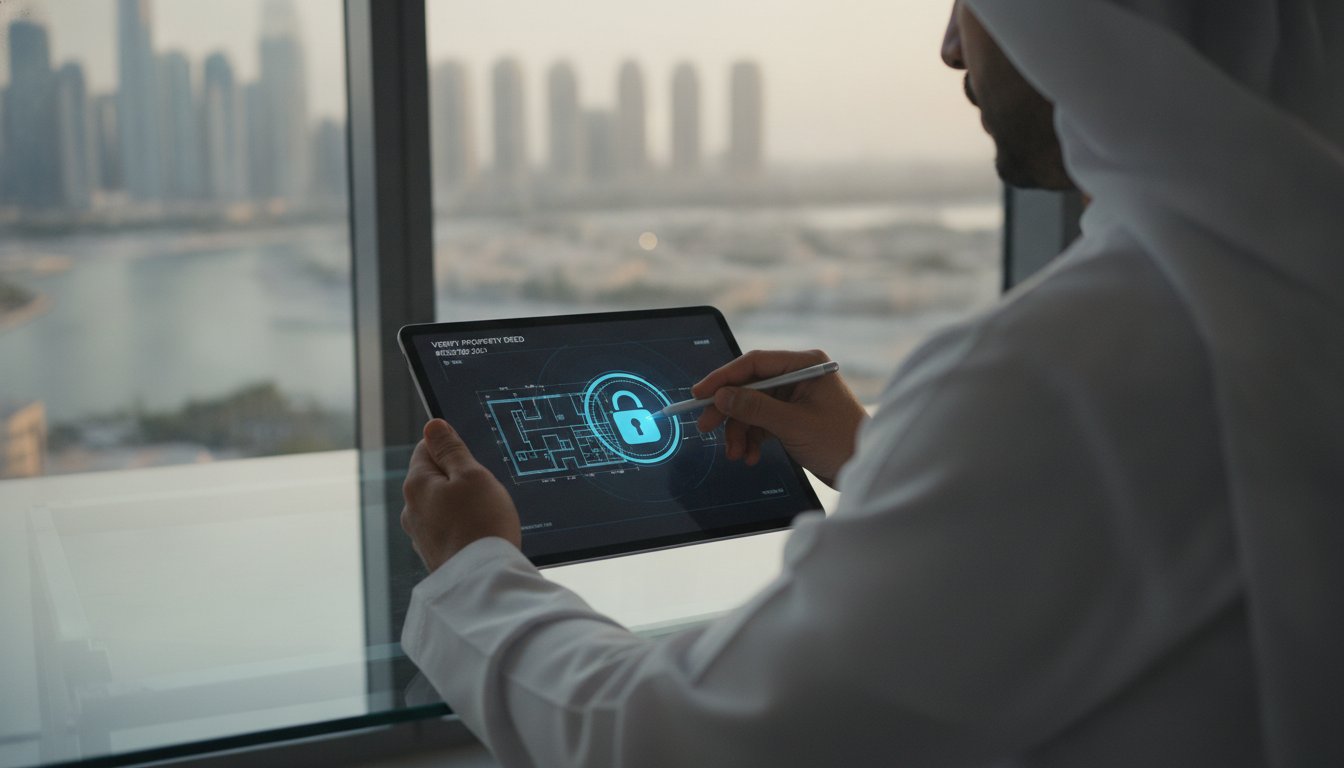
What if the high-yield villa you spotted on a social portal is nothing more than a digital mirage designed to capture your deposit? With 66,900 residential transactions recorded in Dubai in the first five months of 2026 alone, the market’s rapid pace can sometimes mask the subtle red flags of fraudulent activity. Avoiding real estate scams in UAE requires more than just intuition; it demands a disciplined approach to verifying the “Paper Trail of Legitimacy” that no scammer can truly replicate.
It’s natural to feel a sense of hesitation when faced with unofficial listings or complex regulatory requirements that seem to change with every season. You’ve worked hard to build your capital, and the thought of losing it to an unlicensed agent is a risk you simply shouldn’t take. This guide provides the strategic clarity you need to master the latest legal safeguards, from understanding the new June 2026 Civil Transactions Law to effectively utilizing the Dubai REST app for agent verification. We’ll examine the specific steps to secure your investment, ensuring your journey into the UAE property market is defined by exclusivity and peace of mind rather than uncertainty.
Key Takeaways
- Identify sophisticated red flags, such as misaligned market pricing and requests for direct cash transfers to personal accounts.
- Leverage RERA-approved escrow accounts as your primary defense when avoiding real estate scams in UAE during off-plan acquisitions.
- Master a professional verification protocol to validate agent IDs and property title deeds through official government platforms.
- Understand how the 2026 Civil Transactions Law strengthens your position by extending the claim period for hidden property defects.
- Recognize the value of a strategic partnership that provides an extra layer of security between you, developers, and financial institutions.
The Evolving Landscape of Real Estate Fraud in the UAE
Real estate fraud in the Emirates isn’t always a dramatic heist; it’s often a subtle web of unauthorized brokerage and intentional misrepresentation. As residential transaction values in Dubai exceeded AED 196.2 billion in the first five months of 2026, the sheer volume of capital has turned the market into a prime target for international bad actors. These individuals have largely abandoned physical fraud in favor of sophisticated digital phishing on social media portals. They use high-resolution renders and AI-generated listings to create a false sense of legitimacy that can deceive even experienced buyers. Avoiding real estate scams in UAE starts with recognizing that a polished Instagram profile is no longer a substitute for legal verification.
Visual Guidance: A photograph of a professional office environment in a Dubai high-rise. A consultant is presenting property data on a tablet to a client. In the background, framed official licenses from the Dubai Land Department are clearly visible on the wall, emphasizing a transparent, regulated atmosphere.
Why Sophisticated Investors are Targeted
Global investors are drawn to the region by gross rental yields that averaged between 6.7% and 7% for apartments in early 2026. This high-performance environment, combined with the lure of off-plan capital appreciation, creates a unique vulnerability for those managing portfolios from thousands of miles away. Scammers exploit the lack of physical site visits by using emotional triggers. They promise “exclusive” pre-launch access or manufacture a false sense of urgency to bypass the oversight provided by government regulatory bodies. When a deal feels like a once-in-a-lifetime opportunity that expires in minutes, critical thinking often takes a backseat to the fear of missing out. These bad actors know that the speed of the market can be used as a weapon against those who aren’t physically present to verify the facts.
The Legal Definition of a Regulated Transaction
Every legitimate property deal rests on a foundation of strict government oversight. A regulated transaction requires a government-issued broker ID for every individual involved in the sale or lease. You’ll often encounter “freelance” agents on social media who claim to offer better deals, but these individuals are operating outside the legal framework. As of 2026, every real estate professional is legally required to hold a valid registration card and be registered under a licensed brokerage firm’s trade license. If an agent can’t produce these credentials through official government verification apps instantly, the transaction isn’t just risky; it’s illegal. Genuine security is found in the paperwork, not in the promises made over a messaging app. To maintain this level of transparency, many top-tier agents now use smart business cards to share their digital profiles; you can explore Carte PVC solutions from Kipful to see how NFC technology is being used to streamline professional networking. Avoiding real estate scams in UAE is a matter of refusing to engage with anyone who treats these non-negotiable legal requirements as mere suggestions.
Recognizing Common Red Flags: From Fake Listings to Unauthorized Fees
A listing that defies market logic is often your first warning sign. While Dubai’s price appreciation is expected to moderate to a range of 5% to 8% in 2026, the market remains robust. If you encounter a luxury villa in a prime location listed at 30% below the market average, it’s likely a digital mirage. These “too good to be true” prices are designed to lure investors into a high-pressure environment where logic is replaced by the fear of missing out. Avoiding real estate scams in UAE requires a commitment to verifying every data point against current market benchmarks rather than following emotional impulses.
Visual Guidance: A realistic photograph of an official UAE property contract, specifically a Form F (Unified Sales Contract). The document displays the Dubai Land Department emblem in the header. While sensitive buyer and seller details are professionally blurred for privacy, the official barcodes, QR codes for verification, and the clearly defined 4% DLD transfer fee clause remain visible to show what a legitimate document looks like.
One of the most critical red flags involves the movement of funds. Legitimate transactions in the UAE never involve “under the table” cash payments or transfers to an agent’s personal bank account. All professional fees, such as the standard 2% agency commission plus 5% VAT, should be paid to the licensed brokerage firm. Similarly, the 4% Dubai Land Department (DLD) transfer fee is a regulated cost that follows a specific legal path. If an agent demands an immediate cash deposit before you’ve even seen a draft of the Sale and Purchase Agreement (SPA), stop the conversation. High-pressure tactics are a hallmark of fraudulent operations that want to secure your capital before you can perform due diligence.
The Anatomy of a Bait-and-Switch Scam
Digital fraud often begins with high-quality photos stolen from legitimate listings. Scammers post these “ghost” properties to attract inquiries, only to claim the unit was “just sold” when you call. They then pivot to pushing a lower-quality alternative or an unregistered off-plan project. You can defend yourself by using a reverse image search on listing photos. If the same apartment appears on multiple portals with different contact numbers and vastly different prices, it’s a clear signal to walk away. Working with a regulated property expert ensures that every listing you view is verified and currently available on the market.
Vetting the Agent: The RERA Card and Trade License
The Dubai REST app is your most powerful tool for verifying professional credentials. Every legitimate agent must carry a RERA card, which you can verify by scanning the QR code or entering their registration number into the official portal. Don’t hesitate to ask for a copy of the company’s trade license to check their activity codes; they must be specifically licensed for “Real Estate Brokerage”. A professional agent will never use a generic Gmail or Yahoo address for official business. If their communication lacks a corporate domain and a verifiable office address, they aren’t equipped to handle your investment with the required level of security. Avoiding real estate scams in UAE is a process of elimination where only the most transparent professionals remain.
The UAE Regulatory Safety Net: Escrow Accounts and Title Deeds
With off-plan properties accounting for approximately 74% of all residential sales in Dubai during the first five months of 2026, the regulatory framework surrounding these transactions is more critical than ever. The primary defense for any investor lies in the mandatory use of RERA-approved escrow accounts. These accounts ensure that your capital isn’t handed directly to a developer to be used at their discretion. Instead, funds are held by an independent trustee and only released as the project hits verified construction milestones. Avoiding real estate scams in UAE is largely a matter of ensuring your money never bypasses this regulated circuit.
Visual Guidance: A close-up photograph of a professional’s hand holding a high-resolution tablet. The screen displays the official Dubai REST app interface, specifically the “Project Status” and “Escrow Account” verification page. You can see a green “Verified” status next to a project name, providing a clear example of the digital transparency available to modern investors.
Verifying a property’s legitimacy extends beyond the developer’s reputation. For ready properties, you must confirm ownership through the Dubai Land Department’s official portals. A genuine title deed features a unique QR code that, when scanned via the Dubai REST app, instantly confirms the owner’s name, property dimensions, and any existing encumbrances. If a seller or agent hesitates to provide the information needed for this digital check, it’s a definitive sign to pause the transaction. Transparency is the standard in the UAE’s maturing market; anything less is a red flag.
How Escrow Accounts Protect Your Capital
Your investment journey follows a strictly regulated path designed to mitigate risk. When you purchase an off-plan unit, your payments move from your bank account directly into the project’s specific escrow account, not the developer’s general corporate account. This separation is vital. Before any payment is released to the developer, several criteria must be met. The developer must provide a valid Sale and Purchase Agreement (SPA), a registered Oqood (pre-title deed), and a construction progress report certified by a DLD-approved engineer. You should never, under any circumstances, pay a developer directly into a non-escrow account, even if they offer a discount for doing so. Such “incentives” are often used by bad actors to circumvent the safety net that protects your principal investment.
Verification of Power of Attorney (POA)
Dealing with a representative instead of the property owner adds a layer of complexity that scammers often exploit. While a Power of Attorney is a legitimate legal tool, it must be verified with extreme care. Every UAE-issued POA can be checked instantly through the Ministry of Justice portal or the Dubai Courts website to ensure it’s still valid and grants the specific right to sell the property and receive funds. Be particularly cautious with international POAs. If a representative presents a document issued outside the Emirates, it’s legally invalid for property transactions unless it has been fully attested by the UAE Embassy in the country of origin and the Ministry of Foreign Affairs within the UAE. Relying on an unverified representative is one of the most common pitfalls in the market, but it’s one that a disciplined verification protocol easily eliminates.
A Professional Security Protocol for Property Transactions
Securing a high-value asset requires a disciplined, multi-layered approach that leaves nothing to chance. While previous sections detailed how to vet agents and projects, a truly professional security protocol focuses on the execution phase of the transaction. Avoiding real estate scams in UAE is about creating a “chain of custody” for your capital and your legal rights. This protocol ensures that every step, from the first meeting to the final transfer, is recorded within the UAE’s official regulatory framework. It’s not just about trust; it’s about verifiable transparency.
Visual Guidance: A photograph of a professional meeting taking place in a modern, glass-walled boardroom in Downtown Dubai. A senior consultant is reviewing a physical contract with a client, while a laptop displays a secure bank portal. The atmosphere is one of calm, focused transparency, emphasizing that high-stakes decisions deserve a dedicated professional environment.
The protocol begins with a final verification of credentials. Even if you’ve worked with an agent before, you should request their professional ID and the company’s Trade License at the start of every new transaction. This ensures that their registration hasn’t expired and that the company remains in good standing with the Dubai Land Department. Once credentials are confirmed, you must verify the property’s Title Deed or Oqood (for off-plan) via official apps like Dubai REST. This simple step prevents you from negotiating for a property that might be under legal dispute or owned by a different party entirely. Every document you sign should be reviewed alongside a strategic consultant to ensure that all custom clauses protect your interests.
Standardizing Your Payment Methods
In the secondary market, Manager’s Cheques remain the gold standard for security. Unlike personal cheques, a Manager’s Cheque is guaranteed by the bank. This provides the seller with certainty while keeping your funds within a traceable banking system. This payment usually happens alongside the signing of the Memorandum of Understanding (MoU), also known as Form F. You should be wary of any “cash discount” offers that suggest bypassing these standard channels. These traps often lead to unrecorded transactions where you have zero legal recourse if the property isn’t transferred. A regulated transaction is a visible transaction, and any attempt to move funds outside of official Escrow or corporate accounts is a major red flag. Avoiding real estate scams in UAE is significantly easier when you refuse to deviate from these established banking norms.
Documenting Every Communication
While WhatsApp is convenient for quick updates, UAE regulatory bodies place significantly more weight on formal email trails. You should insist that every fee, commission, and timeline is confirmed in writing via corporate email. This documentation creates a legal history that protects you in the event of a dispute. Once you make an initial deposit, ensure you receive an official, stamped receipt from the brokerage firm immediately. This receipt is a vital piece of evidence that links your capital to the specific property and the registered agency. It serves as your primary proof of intent and payment until the final transfer is completed. To ensure your documentation meets the highest professional standards, consult with our expert team to oversee your transaction protocol and secure your investment’s future.
Securing Your Future with a Regulated Strategic Partner
The journey through the UAE’s property market doesn’t end with a single successful transaction. While many investors focus solely on avoiding real estate scams in UAE, the most successful ones understand that security is a continuous process. There’s a fundamental difference between a transactional broker and a strategic partner. A broker facilitates a sale; a strategic partner manages a vision. Chainex Real Estate serves as a bridge, connecting you with verified developers and banking institutions while providing the professional oversight necessary to navigate complex regulatory shifts. We don’t just find houses; we secure investments.
Visual Guidance: An authentic team photograph of Chainex Real Estate professionals gathered in a high-end, contemporary office suite with views of the Dubai skyline. The team is dressed in professional business attire, engaged in a collaborative discussion around a large marble table. The image radiates a sense of collective expertise, stability, and high-prestige service.
A strategic partner does more than just verify a trade license. We analyze the underlying data to protect you from “bad” deals that, while perfectly legal, may not align with your financial objectives. This involves assessing developer track records, future infrastructure plans, and real-time rental yield fluctuations. By shifting the focus from a simple purchase to a long-term partnership, you gain a level of protection that goes beyond basic legal compliance. You’re not just buying an apartment; you’re acquiring a managed asset with a clear exit strategy and a verified growth path.
Why Professional Oversight is Non-Negotiable
The UAE’s regulatory environment is sophisticated and moves quickly. A strategic partner performs deep-level due diligence that an individual investor often lacks the time or access to conduct. This includes verifying the solvency of smaller developers and ensuring that every clause in your agreement reflects the latest 2026 legal standards. We take the burden of verification off your shoulders. For a detailed roadmap on these procedures, you can explore our guide on how to buy property in dubai.
Maximizing Your Portfolio Safely
Once you’ve secured your initial asset, the next step is transition. Moving from a single purchase to a managed real estate portfolio requires a different set of safeguards. Property management becomes essential to maintain the long-term value of your investment and ensure consistent yields. If you’re looking to scale into high-tier segments, our insights on luxury property dubai provide the specific security protocols required for high-net-worth acquisitions. Avoiding real estate scams in UAE is your first step, but professional management is what ensures your capital continues to grow in a stable, regulated environment. We stand by you as your portfolio matures, providing the calm, expert guidance that turns a transaction into a legacy.
Securing Your Legacy in the UAE Property Market
The path to a successful property portfolio in the Emirates is paved with transparency and rigorous verification. By mastering digital verification tools and insisting on regulated payment channels, you’ve already taken the most significant steps toward avoiding real estate scams in UAE. Success in this market isn’t just about finding the right villa or penthouse; it’s about ensuring that every legal safeguard is active and every document is verified against the latest 2026 standards. Your journey starts with clarity.
Chainex Real Estate operates as a fully regulated L.L.C. registered in the UAE, serving as a specialized strategic partner for top-tier national developers and international investors alike. We provide the discrete, high-level consulting required to navigate high-prestige market segments with total confidence. Your capital deserves the protection of a partner who understands the weight of your decisions. We’re here to ensure your journey is as stable as it is rewarding.
Secure your investment with a professional consultation from Chainex Real Estate. We’re here to ensure your journey into the UAE market is as stable as it is rewarding.
Frequently Asked Questions
How can I verify a real estate agent’s license in the UAE?
You can verify an agent’s license instantly through the Dubai REST app by entering their broker registration number or scanning the QR code on their physical RERA card. This official government tool confirms the agent’s identity, their associated brokerage, and the validity of their license. Professional agents will always provide these credentials upon request to assist you in avoiding real estate scams in UAE.
Is it safe to buy off-plan property in the UAE in 2026?
Buying off-plan property is safe in 2026 because of the strict escrow regulations enforced by the Dubai Land Department. These laws ensure that your payments are tied to construction progress rather than developer timelines. With off-plan properties representing 74% of the market share in the first half of 2026, the regulatory framework has matured significantly to protect investor capital from project non-completion.
What is an Escrow account and why is it mandatory for developers?
An escrow account is a bank account managed by a third party where developer funds are held for a specific project. It is mandatory because it prevents developers from using buyer capital for other projects or corporate expenses. Funds are only released when a DLD-approved engineer certifies that a specific construction milestone has been reached, providing a critical layer of financial security for your principal investment.
Can I pay for a property in the UAE using cryptocurrency safely?
You can use cryptocurrency for property transactions, but it must be processed through a licensed digital asset brokerage. These regulated entities convert your crypto into AED to settle the transaction with the developer or seller. This process ensures compliance with the UAE’s anti-money laundering regulations and provides a legal paper trail for your investment. You should never transfer crypto directly to a personal wallet provided by an agent.
What should I do if I suspect a real estate scam?
If you suspect a scam, you should immediately stop all communications and report the incident through the Dubai Police “e-crime” portal or the Dubai Land Department’s official website. Providing evidence such as email chains, fake listings, or unauthorized payment requests helps authorities track bad actors. Taking swift action is a vital part of avoiding real estate scams in UAE for the wider investment community.
Is it legal for an agent to ask for a booking fee in cash?
It is not legal for an individual agent to accept a booking fee in cash for their personal use. All payments, including deposits and commissions, must be made to the registered brokerage firm’s corporate account or the project’s escrow account. You should always insist on a Manager’s Cheque or a bank transfer to ensure the transaction is traceable and legally recognized by the authorities.
How do I check if a title deed is authentic?
You can check the authenticity of a title deed by using the “Title Deed Verification” feature on the Dubai REST app. By scanning the QR code or entering the deed’s certificate number, the app will display the current ownership status and property details directly from the Land Department’s database. This digital verification is the only way to ensure the document hasn’t been forged or altered by an unauthorized party.
What is the difference between RERA and the Land Department?
The Dubai Land Department (DLD) is the primary government entity responsible for the real estate sector’s legal framework and land registration. The Real Estate Regulatory Agency (RERA) is a specialized arm of the DLD that focuses specifically on regulating the relationship between buyers, sellers, and brokers. RERA handles agent licensing, project registrations, and the enforcement of escrow rules to ensure market transparency.