


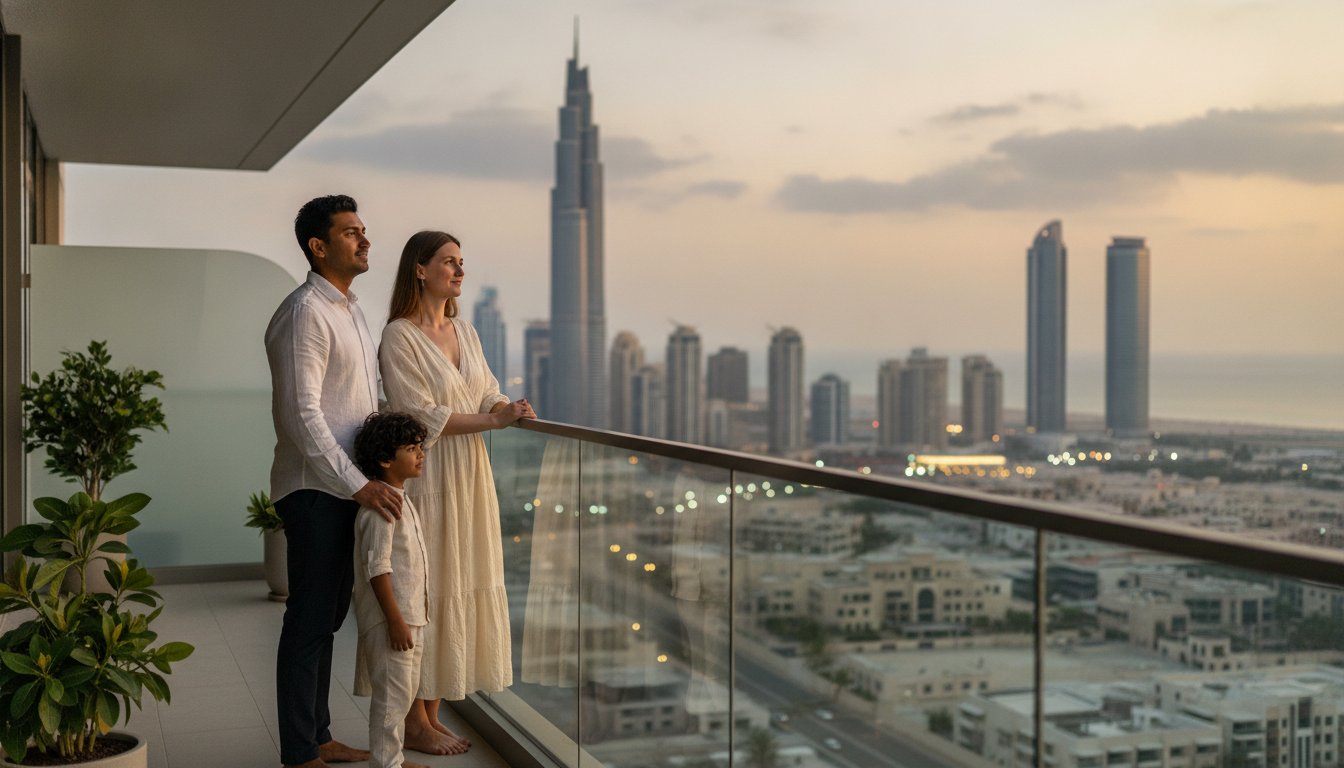
What if the city you once viewed as a temporary stopover has actually become the most secure foundation for your family’s multi-generational wealth? You’ve likely heard the stories of Dubai’s rapid growth, yet you might still feel a lingering uncertainty about whether a life here is truly sustainable or just a fleeting professional chapter. It’s natural to worry about changing visa regulations or whether your salary will actually keep pace with the lifestyle you desire. You aren’t alone in questioning if property ownership is a safe bet for a non-citizen in the current market.
This guide will demonstrate why Dubai is one of the best cities for expats by breaking down the strategic shift toward permanent residency and the high-yield real estate opportunities available in 2026. You’ll discover how the unique combination of tax-free wealth building, world-class safety, and robust property rights makes the emirate the ultimate destination for global professionals. We’ll explore the updated Golden Visa requirements, analyze the real cost of living against tax-free earnings, and help you identify which property types offer the best return on investment for your specific family needs.
Key Takeaways
- Understand how the Dubai 2040 Urban Master Plan has transitioned the city from a transient hub into a mature, long-term destination for families.
- Learn how to leverage the 0% personal income tax environment to maximize your disposable income and accelerate strategic wealth building.
- Explore the data behind why Dubai is one of the best cities for expats in terms of global safety rankings and high-end community amenities.
- Identify the specific advantages of freehold property ownership as a foundation for residency and financial stability in the UAE.
- Discover the essential steps for a seamless transition, from choosing the right property type to aligning your investment with Golden Visa requirements.
The Evolution of Dubai: A Permanent Home for Global Talent in 2026
Dubai has shed its old image of being a temporary playground for the wealthy. By 2026, the city has matured into a sophisticated urban ecosystem where families and professionals plan for decades rather than just a few years. This transformation is anchored by the Dubai 2040 Urban Master Plan, which provides a rigorous roadmap for sustainable growth and community development. With a population of approximately 3.94 million people, nearly 88.5% of whom are expatriates, the social fabric is a rich tapestry of over 200 nationalities coexisting in a stable, high-functioning environment. You’ll find that the city’s maturity is visible in its established neighborhoods, where green spaces and community events have replaced the construction dust of previous decades.
The year 2026 marks a specific turning point as many of the initial milestones of the 2040 plan have reached completion. We’ve moved past the era of speculative growth into an era of community maturity. This stability is why Dubai is one of the best cities for expats who prioritize a predictable, high-quality environment for their long-term personal and financial goals.
Moving Beyond the ‘Tax Haven’ Label
Expats no longer arrive with a “two years and out” mindset. The primary driver for relocation has shifted from simple tax avoidance to a genuine desire for a superior quality of life. While the financial benefits remain significant, the city’s focus on building a diversified economy across tech, tourism, and finance has created a resilient job market that rewards long-term commitment. This economic depth is a major reason why Dubai is one of the best cities for expats who want to raise children or even retire in a region that values security. The Dubai 2040 vision serves as a roadmap for doubling the city’s green and recreational areas, ensuring that urban development is balanced by wellness and nature.
A World-Class Infrastructure Built for the Future
The city’s physical landscape is evolving to support a more grounded, residential lifestyle. The “15-minute city” concept is now a reality in many master-planned districts, ensuring that essential services like high-performing schools, medical centers, and leisure hubs are within a short radius of your residence. When you compare this level of connectivity to global hubs like London or Singapore, Dubai often takes the lead in modern efficiency. It’s no longer just about the tallest buildings; it’s about the seamless integration of work and life. Recent infrastructure upgrades include:
- Sustainable urban cooling: Advanced technologies that make outdoor community spaces and parks comfortable for more months of the year.
- Integrated transport: Expanded public networks that prioritize energy efficiency and reduce reliance on private vehicles.
- Digital governance: Smart city systems that streamline everything from visa renewals to utility management, removing the administrative friction of expat life.
This commitment to future-proof infrastructure ensures that your investment in the city, whether emotional or financial, is protected by world-class urban planning. It’s a place where the weight of daily logistics is lifted, allowing you to focus on your career and your family.
Economic Incentives: Tax-Free Living and Strategic Wealth Building
The primary financial draw of the emirate remains its unparalleled tax environment. While many global jurisdictions have increased fiscal pressure on high-net-worth individuals, Dubai maintains a 0% personal income tax policy on employment, rental, and investment income. This isn’t just about “saving” money; it’s about the velocity of wealth creation. When your gross salary equals your net take-home pay, your ability to reinvest into assets or settle liabilities increases exponentially. This fiscal clarity is a cornerstone of why Dubai is one of the best cities for expats who are focused on long-term capital accumulation rather than mere lifestyle consumption.
For entrepreneurs, the landscape has become even more sophisticated by 2026. While a standard corporate tax of 9% applies to business profits exceeding AED 375,000, the system remains highly competitive. Qualifying Free Zone entities often benefit from 0% tax on qualifying income, providing a strategic advantage for those operating globally. This balance between a mature tax system and generous exemptions makes the city a premier hub for digital nomads and business owners alike. If you’re looking to optimize your portfolio, specialized investment consulting can help align your property acquisitions with these broader financial goals.
The Golden Visa: Your Path to Long-Term Stability
The Golden Visa has fundamentally changed the psychological contract between the city and its residents. No longer tied to a specific employer’s sponsorship, the 10-year renewable residency provides a level of security previously unavailable. To qualify through real estate, a minimum investment of AED 2 million is required. This residency isn’t just for the investor; it extends to family members and domestic staff, ensuring a seamless life for the entire household. By 2026, the program has expanded to include more accessible pathways for remote workers and retirees, reflecting the city’s commitment to retaining global talent. You can find more details on these benefits in the official guide to living in Dubai, which outlines the comprehensive support available to new residents.
Maximizing ROI in a Stable Currency Environment
Investors often overlook the importance of currency stability. The UAE Dirham (AED) remains pegged to the US Dollar, providing a hedge against the volatility seen in many emerging or even European markets. This stability, combined with rental yields that consistently outperform major cities like London or New York, creates a compelling case for ownership. It’s a simple mathematical advantage: tax-free rental income accelerates mortgage repayment for owners, allowing you to build equity at a much faster rate than in taxable jurisdictions. This is why Dubai is one of the best cities for expats who view their home not just as a place to live, but as a high-performing financial asset.
- High Rental Yields: Apartment yields typically range between 5% and 9% depending on the district.
- Currency Security: The USD peg protects your asset value from local currency devaluations.
- Ownership Rights: 100% freehold ownership in designated areas ensures your legacy is protected.
Safety and Lifestyle: The Expat Family’s Gold Standard
Safety isn’t a luxury in Dubai. It’s the baseline of daily existence. For many, the most profound shift when moving here isn’t the architecture or the climate, but the psychological peace of mind. You’ll often see residents leaving their belongings unattended in cafes or walking through residential districts late at night without a second thought. This pervasive sense of security is a fundamental reason why Dubai is one of the best cities for expats, particularly for solo female professionals and parents who prioritize a secure environment for their children. Data from the Safest City Index and Numbeo consistently place the emirate in the top tier of global safety rankings, a feat achieved through a combination of advanced technology and community-focused policing.
The concept of “walkable luxury” has become a hallmark of the city’s residential zones by 2026. Master-planned communities aren’t just collections of houses; they’re integrated ecosystems where high-end amenities are woven into the landscape. Imagine stepping out of your villa for a morning jog along shaded, temperature-controlled pathways that lead directly to organic markets and boutique wellness centers. This design philosophy removes the friction from urban living, allowing you to reclaim time for what truly matters.
Education and Healthcare: Global Standards at Your Doorstep
Education is a primary concern for any relocating family, and the city responds with an almost overwhelming variety of options. You aren’t limited to a single system. Instead, you can choose from over 200 private schools offering British, IB, American, or Indian curricula. These institutions are frequently inspected and rated by the KHDA, ensuring that the quality of instruction meets international benchmarks. Similarly, the healthcare sector has matured into a global hub for specialized medicine. With world-class facilities like Cleveland Clinic and King’s College Hospital, obtaining comprehensive care is straightforward. Most residency packages include high-tier insurance, giving you access to a network of specialists that rivals any major Western capital. The city is also increasingly recognized for its wellness retreats and medical tourism, focusing on longevity and preventative health.
Leisure and Culture: More Than Just Shopping Malls
While the city’s retail experiences are legendary, the lifestyle in 2026 offers much deeper cultural engagement. The arts scene has found a permanent home in districts like Alserkal Avenue, where contemporary galleries and independent cinemas thrive. For those who appreciate the performing arts, the Dubai Opera provides a world-class venue for everything from ballet to Broadway shows. Beyond the urban core, the outdoor lifestyle is a major draw. You can spend your weekends exploring the Hatta mountain retreats, paddleboarding at Kite Beach, or enjoying the silence of the desert dunes. The multicultural workforce creates a unique social life where you’re constantly exposed to new perspectives and global traditions. It’s this blend of high-octane ambition and relaxed, diverse leisure that confirms why Dubai is one of the best cities for expats seeking a balanced, modern life.
- Diverse Curricula: Access to British, IB, American, and Indian educational systems.
- Specialized Healthcare: A growing hub for medical tourism and preventative wellness.
- Active Outdoors: Easy access to beaches, mountains, and desert adventures.
The Real Estate Advantage: Why Expats are Choosing Ownership
For decades, the expatriate experience was defined by a rolling rental contract and a suitcase ready for the next move. In 2026, that narrative has fundamentally changed. Professionals are no longer content with being temporary tenants; they’re trading monthly rent receipts for mortgage equity. This shift toward long-term residency is a primary reason why Dubai is one of the best cities for expats who want to anchor their family’s future in a stable asset. Foreign nationals enjoy 100% freehold ownership rights in designated areas, providing the same legal protections and capital appreciation benefits as local investors. With total residential transactions reaching AED 225.7 billion in the first half of 2026, the market’s liquidity and maturity are clear.
The market currently offers a sophisticated spectrum of choices. You can explore a diverse range of dubai houses for sale, from ultra-exclusive luxury property dubai in coastal enclaves to modern, functional townhouses in green suburban districts. Off-plan opportunities remain a strategic favorite for many, as they allow you to secure 2026 pricing for properties scheduled for handover in 2028 or 2029, often with flexible payment structures that ease the transition from renting to owning.
Renting vs. Buying in Dubai: A 2026 Comparison
The financial case for ownership has been bolstered by the First-Time Home Buyer Program launched in July 2025. This initiative provides expatriates with preferential pricing and tailored mortgage solutions that were previously difficult to access. When you analyze the five-year outlook, the advantage of buying becomes undeniable. Property ownership acts as a natural hedge against the rising cost of living, protecting you from the annual rental fluctuations that can disrupt a household budget.
| Metric | Renting (3-Bed City Center) | Buying (Average House) |
|---|---|---|
| Monthly Cost | Approx. AED 12,870 | Approx. AED 11,500 (Mortgage) |
| Equity After 5 Years | Zero | Significant (Principal Repayment) |
| Inflation Protection | Low (Subject to market hikes) | High (Asset appreciation) |
Finding the Right Property Type for Your Lifestyle
Your choice of property should align with your specific life stage. Families often gravitate toward villas and townhouses, which are seeing the highest appreciation rates in 2026, projected at 5-7%. These homes offer the private outdoor space and community security that parents prioritize. Conversely, professionals working in the financial or tech hubs frequently choose high-rise apartments for their proximity to business districts and “15-minute city” amenities. Branded residences have also emerged as a high-demand segment, offering superior resale value and hotel-grade services for those who desire an effortless lifestyle. If you’re ready to move from tenant to owner, you can view our current listings of villas and townhouses for sale to find your ideal match.
Navigating Your Move: Strategic Steps for a Seamless Transition
Moving your assets and family to a new country is a decision of significant weight. It requires a blueprint that aligns your immediate needs with your long-term legacy. Before you browse listings, you must define your primary driver. Is it the tax-free wealth building discussed in previous sections, or is it the security of a permanent family base? Understanding this distinction is why Dubai is one of the best cities for expats. It offers the flexibility to pivot between these goals, provided your initial steps are calculated and informed. A successful transition isn’t just about finding a house; it’s about integrating into a new economic and social system with minimal friction.
Choosing Your Strategic Real Estate Partner
Partnering with a professional consultancy like Chainex Real Estate provides the market analysis necessary to navigate the 2026 landscape. We don’t just show properties; we provide the strategic consulting required to identify high-yield portfolios that meet your specific criteria. Our partnerships with top developers give you priority access to off-plan opportunities that align with your residency goals. If you’re a global professional who travels often, our property management services offer the peace of mind that your investment is under expert supervision. This professional oversight removes the administrative burden from your shoulders, allowing you to focus on your career while your assets appreciate.
The Final Checklist: From Arrival to Move-In
The path to residency and ownership involves several critical legal milestones that should be handled with precision. By following a structured roadmap, you can avoid the common pitfalls that many new arrivals face. This logistical efficiency is another reason why Dubai is one of the best cities for expats who value their time and security. Consider the following essential steps:
- Document Attestation: Ensure your degrees and personal certificates are verified by the relevant ministries in your home country before departure.
- Financial Setup: Opening a UAE bank account is a priority to facilitate your mortgage or property transactions.
- DLD Registration: Budget for the registration fee of 4% of the property purchase price, payable to the Dubai Land Department.
- Residency Processing: If your property investment meets the AED 2 million threshold, you’re eligible to initiate your 10-year Golden Visa application.
- Utility Integration: Set up your DEWA account and smart home integrations to ensure your residence is fully operational upon arrival.
By treating your move as a strategic investment rather than a simple relocation, you secure your place in one of the world’s most resilient economies. Our team is here to manage the complexities of the market, ensuring that your transition to Dubai is as elegant and efficient as the lifestyle you’re moving to enjoy.
Securing Your Legacy in a City Built for the Future
Transitioning to a new life in the Middle East is no longer a leap into the unknown; it’s a calculated move toward a more secure and prosperous future. The shift from a transient workforce to a permanent community of homeowners demonstrates why Dubai is one of the best cities for expats looking to build multi-generational wealth. By leveraging the 10-year Golden Visa and a tax-free income environment, you’re not just moving for a job. You’re investing in a sophisticated urban ecosystem that prioritizes your safety and your family’s long-term well-being.
Mastering this mature market requires more than just a list of properties. It demands a strategic partner who understands the nuances of the 2026 real estate landscape. You can secure your future in Dubai with a personalized property consultation from Chainex Real Estate. Our team provides expert market analysis for 2026, exclusive access to off-plan launches, and the comprehensive investment consulting you need to make an informed decision. The opportunity to align your personal lifestyle with your financial ambitions has never been more accessible. We look forward to helping you find your place in this extraordinary city.
Frequently Asked Questions
Is Dubai safe for expat families in 2026?
Dubai remains one of the safest cities globally for families in 2026, consistently ranking at the top of international safety and quality of life indices. The city’s advanced infrastructure and community-focused policing create an environment where residents feel secure at all hours. This high level of public safety is a primary reason why Dubai is one of the best cities for expats who prioritize a stable, worry-free environment for their children.
Can I get a Golden Visa by buying property in Dubai?
You can qualify for a 10-year renewable Golden Visa by making a minimum real estate investment of AED 2 million. This residency pathway is a significant advantage for those seeking long-term stability, as it allows you to sponsor family members and domestic staff independently of an employer. The program continues to be a cornerstone of the city’s strategy to attract and retain global talent and high-net-worth investors.
What is the average rental yield for property in Dubai?
Rental yields in 2026 typically range between 5% and 9%, depending on the property type and location. While the market has seen a more stabilized growth pace compared to the post-pandemic boom, the demand for villas and townhouses remains particularly strong. These yields are especially attractive to international investors because the rental income is not subject to personal income tax, allowing for faster equity building.
Do expats pay income tax on their salaries in Dubai?
Expats do not pay any personal income tax on their employment, rental, or investment income in Dubai. As of March 2026, the UAE maintains its 0% personal tax policy for individuals, which significantly increases the disposable income of global professionals. This tax-free environment is a critical factor in why Dubai is one of the best cities for expats focused on strategic wealth building and capital accumulation.
Can foreigners own 100% of a property in Dubai?
Foreigners can enjoy 100% freehold ownership rights when they purchase property in designated areas across the city. These freehold zones include the most sought-after districts like Dubai Marina, Palm Jumeirah, and Downtown Dubai. This legal framework provides international owners with full control over their assets, including the right to sell, lease, or bequeath the property to their heirs without any local restrictions.
What are the best schools for expat children in Dubai?
The best schools for expat children are those rated “Outstanding” or “Very Good” by the KHDA, offering curricula such as British, IB, American, and Indian. Annual fees for these private institutions range from approximately AED 25,000 to over AED 100,000. Most top-tier schools are strategically located within master-planned residential communities, ensuring that world-class education is easily accessible for families living in the city’s suburban enclaves.
How has the cost of living changed in Dubai for 2026?
The cost of living in 2026 reflects a mature and diverse market that offers options for various financial profiles. Average monthly rent for a one-bedroom apartment in the city center is approximately AED 6,400, while more affordable areas offer rates around AED 4,040. For families requiring more space, a three-bedroom apartment in the city center averages AED 12,870, allowing residents to balance high-end lifestyle choices with their financial goals.
What happens to my visa if I lose my job in Dubai?
If you lose your job while on a standard employment visa, your residency is typically tied to your employer’s sponsorship for a limited period. However, many expats now opt for property-linked visas or the Golden Visa to decouple their residency from their employment status. It is essential to manage your transition carefully, as overstay fines of AED 50 per day are applied immediately following the expiration of your grace period.