


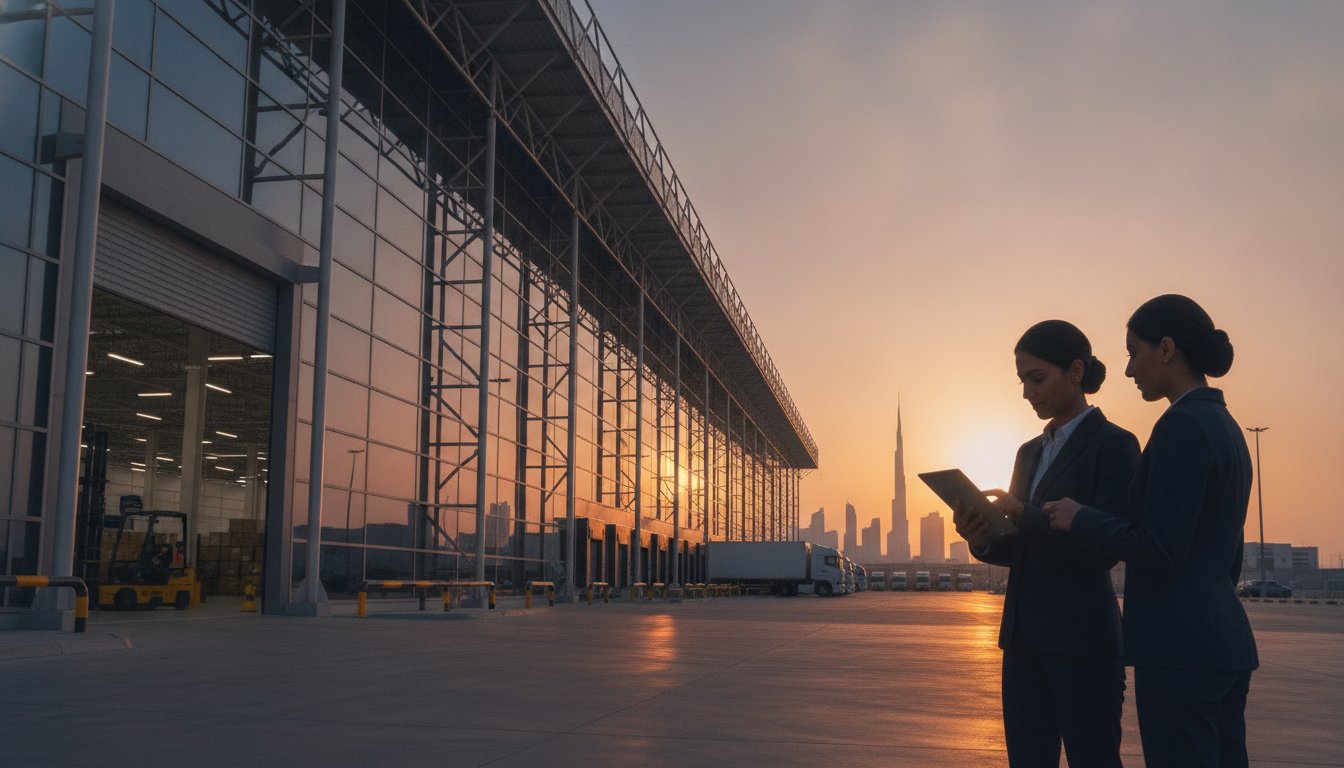
With warehouse rentals climbing by a staggering 37.8% annually as of early 2026, the industrial sector has transitioned from a supporting asset class to a primary driver of the region’s economic portfolio. This rapid appreciation makes the Dubai industrial real estate market one of the most compelling, yet challenging, environments for capital deployment. You’ve likely felt the pressure of the current supply crunch, where occupancy rates in prime hubs like Dubai South have reached 96%. Finding Grade A space is no longer just about location; it’s about timing and strategic foresight.
We understand that rising operational costs and the intricate differences between Free Zone and Mainland regulations can make even the most lucrative opportunities feel daunting. That’s why we’ve compiled this outlook to help you secure long-term rental income and identify the specific niches poised for the highest capital appreciation. You’ll gain a clear understanding of the 6.6 million square feet of new supply entering the market and how the latest 2026 legal frameworks affect your total cost of acquisition. From yield-driven strongholds to last-mile delivery hubs, this guide serves as your professional blueprint for the year ahead.
Key Takeaways
- Analyze the impact of the current supply crunch on rental growth and learn how to navigate the 6.6 million square feet of incoming stock.
- Pinpoint the high-growth sectors, specifically e-commerce and essential goods, that are driving the demand for Grade A warehousing.
- Compare investment metrics to see how the Dubai industrial real estate market yields of up to 10% provide a robust alternative to residential portfolios.
- Clarify the nuances of the 2026 regulatory framework to choose the most cost-effective structure between Free Zone and Mainland jurisdictions.
- Leverage specialized market analysis to identify capital appreciation trends and secure strategic commercial properties for sale before they reach the open market.
Analyzing the 2026 Dubai Industrial Real Estate Market Landscape
The Dubai industrial real estate market has entered 2026 with a level of momentum that few anticipated. While the residential sector often captures the headlines, industrial assets have quietly become the cornerstone of high-yield portfolios. Early 2026 data reveals a 12.8% surge in rental rates for the first quarter alone. This figure reflects a fundamental imbalance between available stock and the needs of modern enterprise. This growth isn’t speculative. It’s a direct response to a maturing economy that requires sophisticated physical infrastructure to support its digital and physical trade ambitions.
Investors are noticing that industrial assets are currently outperforming certain residential segments, particularly in terms of net yields and lease stability. The shift toward long-term institutional ownership has professionalized the sector. It makes the city an attractive destination for international capital seeking a hedge against volatility. This transition marks a new era. Industrial property is now viewed as an essential utility for the city’s operation, offering a level of security that speculative residential bets often lack.
Supply vs. Demand Dynamics
The current environment is defined by a critical shortage of Grade A warehouse spaces. Occupiers are no longer satisfied with legacy facilities. They’re pursuing a “flight to quality” that prioritizes high ceilings, advanced cooling systems, and integrated tech. With occupancy rates in core zones like Dubai South hovering near 96%, the limited number of new completions has given landlords significant leverage during lease renewals. Even with 6.6 million square feet of new industrial and warehousing stock expected to enter the market throughout 2026, the pre-leasing trend remains strong. This scarcity mechanism ensures that industrial assets continue to offer consistent, long-term ROI for those who manage to secure prime locations within the Dubai industrial real estate market.
Geopolitical Resilience and Operational Continuity
Investors often look to the UAE as a safe haven. The industrial sector exemplifies this stability perfectly. The government’s proactive stance on infrastructure and trade agreements has fostered an environment where operational continuity is guaranteed, even when global markets fluctuate. The regional economy has diversified significantly, moving away from oil dependence toward a logistics-centric model that rewards long-term vision. National projects, such as the expansion of Al Maktoum International Airport and the integration of Etihad Rail, provide a structural floor for industrial demand. This resilience isn’t accidental. It’s the result of a strategic partnership between the public sector and private capital, positioning the city as an indispensable node in the global supply chain.
Key Sectors Driving Industrial Demand in 2026
The momentum within the Dubai industrial real estate market is no longer driven by general warehousing alone. Instead, we’re seeing a sophisticated segmentation where demand is dictated by highly specialized operational requirements. The “Essential Goods” sector has emerged as the primary engine of this growth, as the city solidifies its role as a global hub for food security and healthcare logistics. This shift has created a premium on assets that offer more than just four walls and a roof, specifically targeting properties equipped for high-tech assembly and rapid distribution.
According to the JLL Q1 2026 Dubai Industrial Market Data, the surge in demand from these essential sectors is a primary catalyst for the 12.8% annual rental hike observed across prime zones. Investors who recognize these sectoral shifts early are positioning themselves in assets that offer significantly higher tenant retention rates compared to traditional dry storage. Finding these specific assets requires deep market access; if your business needs tailored space, exploring current Commercial Properties for Rent can provide the necessary operational edge.
E-commerce and Logistics Hubs
The e-commerce landscape has matured, moving away from simple storage toward fully automated fulfillment centers. These facilities require specialized floor loading capacities and advanced power grids to support robotics and AI-driven sorting systems. There’s also an intense focus on proximity to residential centers to minimize delivery times. Last-mile logistics refers to the final step of the delivery process from a distribution center to the end-user, accounting for nearly 45% of total industrial logistics demand in 2026. This has spurred a rise in “flex-space” properties that combine office functions with rapid-response inventory management.
Pharmaceuticals and Food Distribution
Temperature-controlled storage, or “Cold Chain” logistics, is currently the most undersupplied niche in the market. The pharmaceutical sector, in particular, requires facilities that meet stringent UAE Ministry of Health and Prevention (MOHAP) standards, involving complex HVAC systems and redundant power supplies. Similarly, the food distribution sector is expanding its footprint to support the city’s growing population and its thriving hospitality industry. These tenants often sign longer leases, typically five to ten years, because the cost of installing specialized equipment makes relocating a significant financial burden. For an investor, this translates into a stable, long-term income stream with minimal vacancy risks.
Investment Metrics: Yields, ROI, and Growth Projections
Understanding the financial performance of the Dubai industrial real estate market requires looking beyond simple rental rates. While top-line growth is impressive, the true value for an investor lies in the stability of the yield and the predictability of the cash flow. In Q1 2026, the market recorded a 3.4% growth in rental contract renewals. This specific metric is vital because it demonstrates tenant “stickiness.” When a business integrates specialized machinery or cold-chain infrastructure into a facility, the cost of moving becomes prohibitive, leading to higher retention and lower vacancy periods.
The total cost of ownership in the industrial sector is also notably different from residential or office investments. While residential properties often require frequent cosmetic updates and management of individual tenant needs, industrial assets are more utilitarian. However, one must account for structural maintenance, specialized insurance for hazardous materials, and the 5% VAT on management fees. When these costs are managed correctly, the net ROI remains exceptionally competitive, often outperforming traditional “safe” assets in the region.
Benchmarking Rental Yields
When we compare performance across the city’s real estate landscape, the industrial sector stands out for its resilience. A typical yield comparison in early 2026 looks like this:
- Industrial Assets: 7% to 10% net yields.
- Residential Property: 6% to 8% net yields.
- Prime Office Space: 7% to 9% net yields.
The stability of these industrial returns is bolstered by the prevalence of Triple Net (NNN) leases. Under this structure, the tenant is responsible for the majority of operational costs, including property insurance and routine maintenance. It’s a professional partnership that protects the investor’s margin and simplifies the management of industrial holdings within a larger portfolio. For those looking to diversify, identifying high-yield Commercial Properties for Sale is a strategic step toward securing long-term capital stability.
Capital Appreciation and Exit Strategies
Capital appreciation isn’t just a byproduct of market growth; it’s a result of land scarcity in prime national corridors. Industrial plots in areas like Dubai Investment Park and Dubai South have seen significant valuation increases as the city’s footprint expands. For investors planning an exit, the secondary market is more liquid than ever. Institutional buyers, such as REITs, are increasingly hungry for stabilized assets with clear lease histories. A strategic exit is often best timed when a lease has three to five years remaining, offering the buyer immediate income with a manageable window for future renewals.
Navigating the Regulatory Framework for Industrial Assets
Choosing the right legal structure is as critical as the physical location when entering the Dubai industrial real estate market. The regulatory environment has evolved rapidly, moving toward a system that prioritizes transparency and investor protection. Central to this is the Dubai Land Department (DLD), which serves as the ultimate authority for registering commercial transactions and verifying title deeds. For international investors, the DLD provides a layer of security that ensures every acquisition is backed by a clear legal trail, minimizing the risks associated with title disputes or unrecorded encumbrances.
The introduction of 100% foreign ownership for many industrial activities has fundamentally changed the demand profile of the city. Previously, international firms often felt restricted by the need for local partnerships, but the current laws allow for full control over assets and operations. This shift hasn’t just increased the number of market participants; it’s improved the quality of the assets being developed. When owners have full equity, they’re more likely to invest in the high-spec, Grade A facilities that we’re seeing dominate the 2026 landscape. However, this freedom comes with the responsibility of rigorous due diligence. You must verify not only the land use permits but also the specific power allocations and load-bearing capacities that vary significantly between different industrial zones.
Free Zone vs. Mainland: Strategic Selection
The decision between a Free Zone and a Mainland setup depends entirely on your business model. Free Zones, such as JAFZA or Dubai South, offer distinct advantages for export-oriented businesses, including simplified customs procedures and corporate tax exemptions for certain activities. These are the traditional hubs for manufacturing and international distribution. Conversely, a Mainland setup is often the superior choice for logistics companies focusing on the local UAE market. It allows for direct trading without the need for a third-party distributor, which is essential for the last-mile delivery services discussed in previous sections. Selecting the wrong jurisdiction can lead to unexpected operational hurdles and higher tax liabilities under the 9% corporate tax framework introduced for profits above AED 375,000.
Compliance and Environmental Standards
ESG (Environmental, Social, and Governance) standards have moved from a voluntary “nice-to-have” to a mandatory requirement for modern industrial facilities. Investors are now looking for buildings that comply with the latest safety codes and sustainable building practices to ensure long-term asset viability. The 2026 Green Building regulations mandate that all new industrial warehouses must incorporate solar-ready roofing and high-efficiency waste management systems to reduce their total carbon footprint. Adhering to these standards doesn’t just fulfill a legal requirement; it makes the property more attractive to high-quality institutional tenants who have their own corporate sustainability targets to meet. If you’re ready to explore high-yield opportunities that meet these rigorous standards, view our latest Commercial Properties for Sale to find assets that are built for the future.
Strategic Industrial Investment with Chainex Real Estate
Succeeding in the Dubai industrial real estate market requires more than just capital; it demands a strategic partner who understands the intricate balance of supply and demand. At Chainex Real Estate L.L.C, we position ourselves as that critical link between institutional developers and international capital. Our role is to remove the operational burden from your shoulders, allowing you to focus on the long-term growth of your portfolio while we handle the complexities of the local landscape. We don’t just list properties; we provide a comprehensive ecosystem of support tailored to the unique requirements of industrial enterprise.
Our team provides specialized investment consulting that goes beyond surface-level data. We analyze specific infrastructure projects, such as the expansion of logistics corridors and new transport links, to ensure your capital is placed in assets with the highest potential for appreciation. By acting as your eyes and ears on the ground, we identify opportunities that haven’t yet reached the open market, giving our partners a distinct competitive advantage in a supply-constrained environment.
Consulting and Portfolio Maximization
Maximizing a portfolio’s ROI involves a meticulous approach to asset selection. We help you identify undervalued industrial opportunities by looking at occupancy trends, future zoning changes, and power allocation capabilities. Our analysis isn’t just about the present; it’s about where the market will be as we approach the next decade. If you’re new to the region, our How to Buy Property in Dubai guide offers a detailed roadmap of the legal and procedural requirements for international buyers. This ensures you’re fully informed and confident before making any commitment.
Comprehensive Management Services
For many industrial owners, the primary challenge lies in the day-to-day management of large-scale units. Chainex provides end-to-end property management services that cover everything from tenant relations to technical maintenance. We ensure that your facilities remain compliant with the latest 2026 safety and environmental codes, often coordinating with vetted professionals from directories like Commercial Choice to maintain the physical integrity of your investment. Our team handles rent collection, lease renewals, and legal compliance within the Dubai industrial real estate market, providing a seamless experience for landlords who may not be physically present in the UAE. This professional oversight transforms a simple property into a high-performing financial asset.
Partner with Chainex for your Dubai industrial investments.
Securing Your Position in Dubai’s Industrial Future
The transition toward high-spec, Grade A facilities isn’t a temporary trend; it’s the new standard for a maturing global hub. We’ve explored how the acute scarcity of prime space and the surge in specialized logistics have pushed yields in the Dubai industrial real estate market well beyond traditional residential benchmarks. Success in 2026 requires more than just capital. It demands a sophisticated understanding of the latest regulatory updates and a commitment to ESG-compliant infrastructure that meets the needs of institutional tenants.
As an international investor, you need a partner who bridges the gap between raw market data and actionable strategy. Chainex Real Estate L.L.C offers the specialized commercial property management and expert investment consulting required to navigate these complexities with confidence. Our deep market analysis of UAE industrial trends ensures your assets are positioned for maximum capital appreciation and long-term operational continuity. The window for high-yield entry remains open for those who act with precision and professional support. Maximize your portfolio with Dubai’s leading industrial real estate experts at Chainex and secure your place in the region’s most resilient asset class.
Frequently Asked Questions
Is industrial property a better investment than residential in Dubai for 2026?
Industrial assets currently offer higher net yields than the residential sector, typically ranging from 7% to 10% compared to the 6% to 8% seen in housing. The stability of long-term commercial contracts and the essential nature of logistics provide a robust hedge against market volatility. While residential property offers higher liquidity, the industrial sector excels in providing consistent, hands-off rental income through professional lease structures.
Can foreigners own 100% of an industrial warehouse in the UAE?
Yes, foreign investors can achieve 100% ownership through two primary legal routes. You can acquire property in designated freehold zones or utilize the updated Commercial Companies Law to own a Mainland industrial business. These regulations have removed previous requirements for local partners in many sectors, allowing international capital to maintain full control over their physical assets and operational strategies across the Emirates.
What are the typical rental yields for industrial assets in the current market?
Typical net yields for the Dubai industrial real estate market currently fluctuate between 7% and 10%. Prime locations such as Dubai South and Dubai Industrial City frequently reach the higher end of this range due to occupancy rates exceeding 94%. These returns are particularly attractive because they’re often structured as Triple Net leases, which transfer the majority of maintenance and insurance costs to the tenant.
Which sectors are driving the highest demand for warehouse space?
The “Essential Goods” sectors, specifically food distribution and pharmaceuticals, are the primary drivers of demand in 2026. There’s also a significant surge in requirements from high-tech manufacturing and automated e-commerce fulfillment centers. These industries prioritize Grade A facilities with specialized infrastructure like cold storage and advanced power grids, which currently command the highest rental premiums in the market.
What is the difference between a Free Zone and Mainland industrial property?
The distinction centers on trade jurisdiction and customs regulations. Free Zone properties are ideal for export-oriented businesses as they offer 100% import and export tax exemptions within a ring-fenced area. Mainland properties allow businesses to trade directly with the local UAE market without a third-party distributor. This makes Mainland assets indispensable for companies focused on domestic last-mile delivery and localized retail distribution networks.
How has the rise of E-commerce affected industrial real estate prices?
E-commerce has triggered a sharp increase in capital values and rental rates, with warehouse rentals climbing by 37.8% annually as of early 2026. The urgent need for fulfillment centers near residential populations has created a severe supply crunch for Grade A space. This competition has pushed prices upward, especially for warehouses that support the heavy power requirements of automated sorting systems and robotics.
What are the main costs associated with managing an industrial property?
Landlords must account for structural maintenance, property insurance, and a 5% VAT on professional management fees. While many operational expenses are passed to tenants under NNN leases, owners are still responsible for administrative compliance and periodic facility audits. Investing in “Green Building” upgrades is also becoming a necessary cost to ensure the property remains attractive to high-quality institutional tenants who prioritize sustainability.
What should I look for during due diligence of an industrial asset?
You must verify the facility’s power allocation, floor load-bearing capacity, and clear internal heights to ensure they meet modern operational standards. It’s equally important to confirm the DLD title deed and check for any outstanding environmental compliance issues. Investigating the specific zoning laws of the district is essential, as certain industrial activities may be restricted even if the physical building appears suitable for your needs.
