


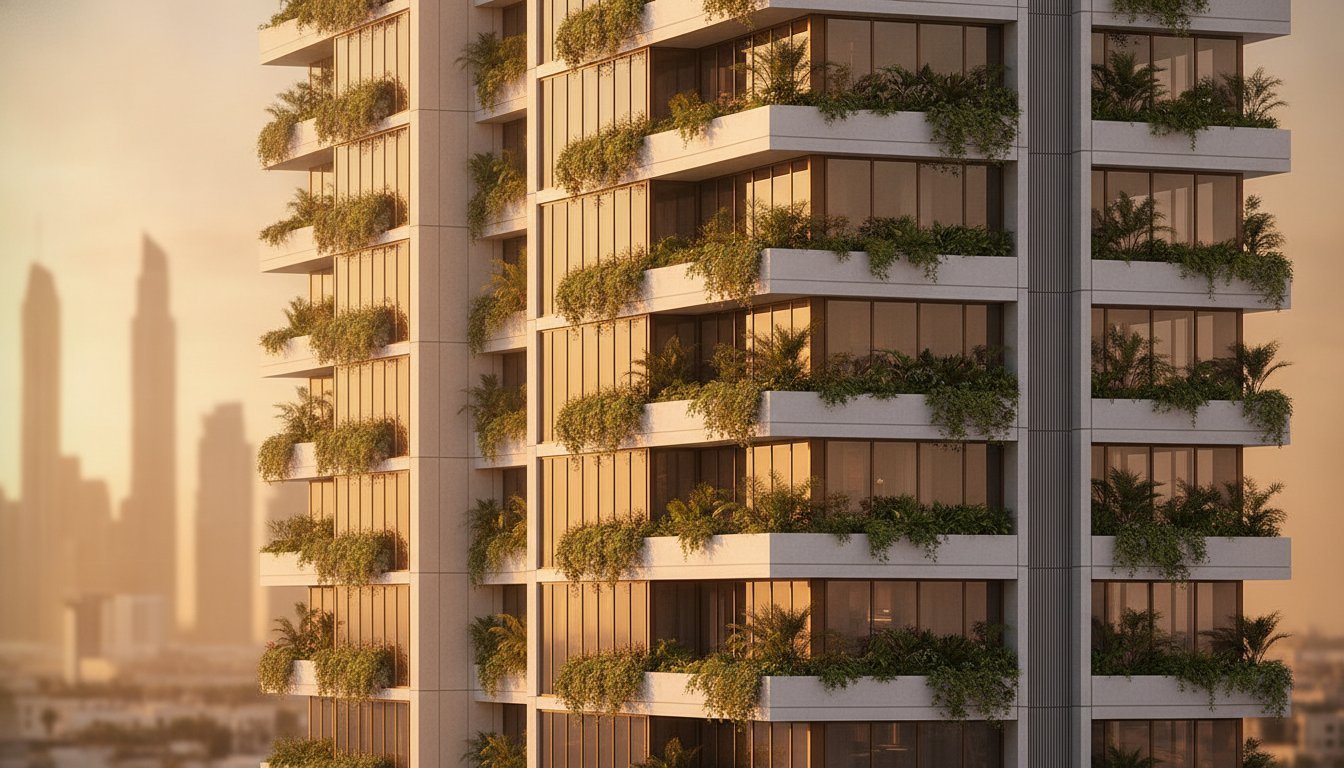
Did you know that buildings are responsible for nearly 40% of global emissions? Most investors recognize that the environmental impact of real estate is no longer a niche concern, yet many still worry that “Green” initiatives are merely expensive marketing labels. You might feel the pressure to adapt while fearing that the high initial costs of sustainable building won’t actually translate into a clear return on investment. It’s a valid concern in a market where the line between genuine efficiency and “greenwashing” often feels blurred.
We’ve designed this guide to help you discover how sustainable design and eco-friendly standards are transforming property value and lifestyle quality across the nation. We’ll explore the shift toward verifiable performance data, such as the current LEED v5 certification standards, and how these rigorous benchmarks protect your capital. You’ll gain a clear understanding of modern building certifications, validate the financial benefits of eco-conscious assets, and discover actionable criteria for selecting a home that truly performs. We’re moving past vague promises to a new era where audited energy metrics dictate the future of the market.
Key Takeaways
- Understand the evolution of sustainable real estate from aesthetic choices to technical performance across the core pillars of energy, water, and wellness.
- Learn to navigate complex certification systems like LEED and Estidama to ensure your property meets the highest global standards for efficiency.
- Discover the financial advantages of Green assets, including lower utility expenditures and more resilient long-term value retention compared to traditional properties.
- Access a specialized checklist for evaluating “invisible” sustainable features during your due diligence process to verify true performance.
- See how strategic market analysis and professional consultancy help identify high-performance off-plan opportunities that align with your investment goals.
What Does “Green” Mean for Modern Property Owners?
In previous decades, a property was often labeled “green” simply for featuring lush landscaping or basic recycling bins. Today, the definition has matured into a rigorous technical discipline that prioritizes measurable performance over surface-level aesthetics. Green Real Estate is an integrated approach to resource efficiency and occupant health that ensures a building functions as a high-performance asset throughout its entire lifecycle. This transition reflects a fundamental shift in the market. Investors no longer view sustainability as a charitable add-on but as a critical component of risk management and asset preservation.
For the modern owner, this technical approach rests on three essential pillars. Energy focus involves minimizing consumption through advanced insulation and smart systems. Water conservation utilizes gray-water recycling and low-flow fixtures to manage resources in sensitive climates. Finally, the wellness pillar ensures that indoor air quality, natural light, and non-toxic materials create a living space that actively supports the health of its inhabitants. Adopting these standards isn’t just about ethics; it’s about ensuring your property remains competitive as regulations tighten.
The Evolution of Sustainable Living Standards
The transition from luxury elective to core market requirement has been swift. National environmental goals for 2026 are driving a surge in demand for eco-friendly housing, making these features a baseline for premium Villas for Sale and high-end apartments. Modern sustainable building practices now incorporate biophilic design, which goes beyond placing plants in a room. It’s about creating a psychological connection to the natural world through strategic window placement and organic textures. This approach is proven to reduce stress and improve cognitive function, adding a layer of intangible value to the home.
Resource Efficiency as a Value Driver
Efficiency is the primary engine behind property appreciation in the current landscape. By reducing the carbon footprint of a residential structure, owners insulate themselves against rising energy costs and potential future carbon taxes. Integrating renewable energy allows private properties to move toward a Nearly Zero-Energy Building (NZEB) status, which is rapidly becoming the gold standard for luxury developments. In arid regions, water conservation technologies are particularly vital. Smart irrigation and high-efficiency cooling systems don’t just save resources; they significantly lower monthly operational costs. It’s a pragmatic investment strategy where the Green label serves as a proxy for quality, durability, and forward-thinking engineering.
The Technical Architecture of Sustainability
The “Green” label in 2026 is defined by technical rigor rather than aesthetic marketing claims. A high-performance building operates as a synchronized system where every component, from the specialized glass in the windows to the software embedded in the walls, works to minimize resource waste. This technical architecture is what distinguishes a truly sustainable asset from one that simply follows trends. Understanding these engineering choices is essential for any investor looking to secure long-term value in a maturing market.
Modern construction now prioritizes the lifecycle of materials as much as the final structure. High-end developers are increasingly sourcing low-VOC paints and recycled steel to ensure that the “Green” designation applies to the building’s entire history. These choices create a healthier indoor environment, free from the off-gassing common in traditional materials. It’s a shift toward quality that protects both the occupant’s health and the property’s long-term structural integrity.
Building Certifications You Should Know
Certification systems provide the audited proof that buyers now demand. LEED v5 remains the global benchmark for Leadership in Energy and Environmental Design. For a standard 100,000 sq ft office, direct USGBC fees total around $7,750 for members, reflecting the serious investment developers make to verify their claims. On a national level, standards like Estidama ensure that community development aligns with specific regional environmental goals. A Platinum or Gold rating isn’t just a trophy. It serves as a verified indicator of superior air quality and lower operational costs, directly influencing market perception and resale premiums.
Passive Cooling and Energy Management
A building’s first line of defense is its passive design. High-performance glazing and thermal insulation techniques significantly reduce the “heat island” effect, keeping interiors cool without overworking the HVAC system. Natural ventilation and strategic orientation allow buildings to breathe, utilizing ambient conditions to maintain comfort. When these architectural strategies are paired with solar power integration, the result is a home that generates its own energy without compromising on elegance.
The brain of this operation is smart technology. AI-driven energy monitoring systems now provide real-time data on consumption patterns. Devices like the Google Nest or ecobee smart thermostats can reduce cooling costs by an estimated 10% to 12% by learning occupant behavior. This level of control allows owners to manage their carbon footprint with surgical precision. If you’re exploring Off-plan Property Sales, identifying projects that prioritize these technical specifications is a strategic way to ensure your portfolio remains future-proof.
Economic Benefits of Eco-Friendly Real Estate
Investing in sustainable assets is no longer a purely ethical choice; it’s a strategic financial maneuver. In the current market, the era of vague environmental claims has been replaced by a demand for audited, verifiable performance data. High-performance properties offer a unique dual advantage by lowering immediate operational costs while simultaneously enhancing long-term capital appreciation. When comparing the total 10-year holding cost, a traditional property often carries significantly higher operational risks and maintenance overhead than its high-performance counterpart. Choosing a Green asset ensures that the property remains a liquid investment even as market preferences and regulations evolve.
The “Green Premium” is a measurable reality in 2026. Certified homes often command higher resale prices because they represent a lower risk to the buyer. As energy prices fluctuate and federal standards tighten, a building that already meets elite efficiency benchmarks is inherently more valuable. It isn’t just about the initial price tag. It’s about the resilience of the asset in a landscape where inefficiency is becoming a financial liability.
Utility Savings and Operational Efficiency
Direct savings on utility expenditures provide the most immediate return on investment. Statistics show that smart thermostats, such as the Google Nest or ecobee, can reduce heating and cooling costs by an estimated 10% to 12%. These small-scale integrations are just the beginning. Large-scale systems that meet the new ENERGY STAR standards, like the Version 5.0 furnace requirements taking effect on July 31, 2026, ensure that the property remains efficient for decades. Higher efficiency translates directly into improved rental yields, as tenants are increasingly willing to pay a premium for units with lower monthly overhead. In addition to these savings, high-quality sustainable materials often require less frequent maintenance, which protects your profit margins over time.
Resale Value and Market Demand
International investors now prioritize assets that align with global ESG (Environmental, Social, and Governance) standards. This shift is driven by both personal preference and maturing regulations, such as the stricter federal efficiency standards for room air conditioners effective May 26, 2026. By choosing a property that exceeds these requirements, you’re future-proofing your investment against upcoming compliance costs. In a competitive market, these features serve as a critical differentiator.
- Reduced Vacancy: Sustainable properties often attract long-term, high-quality tenants who value health and efficiency.
- Regulatory Shielding: Buildings that meet 2026 standards won’t require expensive retrofitting when new laws are enacted.
- Enhanced Liquidity: Certified Penthouses for Sale or Townhouses for Sale often sell faster than their traditional counterparts due to high demand for modern, efficient living spaces.
By positioning your portfolio within this segment, you aren’t just buying a home. You’re securing a high-performance financial instrument that is designed to thrive in a resource-conscious economy.
A Buyer’s Checklist for Evaluating Green Features
Identifying a truly sustainable property requires moving beyond surface-level aesthetics to evaluate the technical discipline of the build. While a developer might highlight solar panels or a garden, the real value lies in the unseen infrastructure that dictates long-term efficiency. Genuine Green performance is verified through rigorous documentation and physical inspection. During your due diligence, you should always request the final certification report from bodies like LEED or Estidama. These documents provide an audited trail of resource consumption and material origins, ensuring you aren’t paying a premium for mere “greenwashing.”
Beyond the paperwork, a physical inspection should focus on the “invisible” features that impact your daily comfort and costs. High-performance insulation and sealed ducting are critical. If the ductwork is poorly integrated, even the most efficient HVAC system will lose a significant percentage of its cooling capacity before it reaches the living areas. Similarly, the landscape should be evaluated for its resource demands. Look for drought-tolerant plants and greywater recycling systems that utilize treated wastewater for irrigation, reducing the property’s total water footprint.
Exterior and Structural Integrity
The building envelope serves as your primary defense against external temperatures. You should check for thermal bridges, which are areas where heat bypasses insulation through conductive materials like metal window frames. High-quality window seals and multi-pane glazing are essential for maintaining a stable interior climate. Additionally, assess the property’s solar readiness. A forward-thinking design includes pre-installed conduit for photovoltaic arrays and designated spaces for battery storage systems, allowing for seamless renewable energy integration in the future.
Internal Systems and Smart Tech
Internal systems must be intelligent and health-focused. A modern sustainable home should feature smart meters that provide real-time data on electricity and water usage, allowing you to optimize consumption. Automated lighting controls and water-efficient fixtures are baseline requirements for premium assets. Finally, prioritize indoor environmental quality. Ask for proof of VOC-free (Volatile Organic Compound) finishes. Non-toxic paints, adhesives, and flooring materials are essential for ensuring that the air you breathe is free from harmful chemicals. If you need assistance in identifying high-performance assets that meet these rigorous standards, you can explore our property management services for expert guidance on your next investment.
Consulting with Chainex for Sustainable Investments
The transition toward high-performance real estate requires more than just an appreciation for environmental ethics; it demands a sophisticated understanding of market analysis and technical benchmarks. At Chainex Real Estate, we act as a strategic partner for investors who seek to align their portfolios with the future of the industry. Identifying a truly Green asset involves a deep dive into developer track records, energy performance projections, and the specific certification levels that drive long-term capital appreciation. Our team bridges the gap between ambitious sustainable projects and the discerning investors who recognize their value.
We specialize in finding the precise intersection of luxury and sustainability. This means looking past the surface to evaluate how a property’s technical architecture supports a high-end lifestyle while maintaining resource efficiency. Whether you’re looking for Villas for Sale or Commercial Properties for Sale, our approach ensures that every acquisition is supported by data-driven insights. We remove the burden of technical due diligence from your shoulders, allowing you to focus on the broader strategic goals of your portfolio.
Strategic Partnering for Long-Term Growth
The 2026 market landscape is defined by a shift toward verifiable results. Our tailored investment consulting helps you navigate this complexity by providing the rigorous analysis needed to justify a sustainable premium. We work closely with developers to identify high-ROI sustainable Off-plan Property Sales before they reach the general market. This early access allows our partners to secure assets that are designed to meet upcoming regulations, effectively future-proofing their capital against shifts in environmental policy. We don’t just facilitate transactions; we provide the strategic oversight necessary for sustained growth in a maturing sector.
Next Steps for Your Real Estate Journey
Beginning your search for a sustainable home or office shouldn’t be a confusing process. Our professional advisors are available to conduct a comprehensive portfolio review, identifying opportunities where eco-friendly upgrades or new acquisitions can enhance your total returns. You can access exclusive listings with verified eco-credentials that meet the highest standards of modern living. If you’re looking to maximize the performance of your existing assets, our Property Management Services provide the expertise needed to maintain peak efficiency. Contact us today to begin a partnership that prioritizes both your financial success and the quality of your lifestyle.
Securing Your Future in the Sustainable Market
The transition toward high-performance real estate is no longer a choice but a strategic necessity for preserving asset value. Throughout this guide, we’ve explored how rigorous certifications and passive design strategies create measurable financial returns, moving far beyond the simple aesthetic of Green living. By focusing on verifiable performance data and high-quality construction, you can effectively insulate your portfolio against rising energy costs and evolving environmental regulations. It’s a pragmatic approach that prioritizes both your personal wellness and your financial longevity.
Navigating this complex landscape requires a strategic partner who understands the nuances of modern efficiency and premium asset management. As professional consultants for high-prestige sustainable assets, we provide the expert market analysis and portfolio management needed to identify high-ROI opportunities. Our strategic partnership approach ensures your interests are protected at every stage of the investment lifecycle. To take the next step in your journey, maximize your portfolio with Chainex Real Estate investment consulting. Investing in the future of our environment is one of the most sophisticated ways to secure your own legacy.
Frequently Asked Questions
What makes a building “green” according to national standards?
National standards focus on measurable resource efficiency and the total environmental impact of a structure. A property must demonstrate reduced energy consumption, superior water conservation, and the use of non-toxic materials to qualify. For 2026, many national regulations require adherence to Nearly Zero-Energy Building (NZEB) standards. This involves integrating high-performance insulation and renewable energy sources like solar arrays to ensure the building supports broader sustainability goals while providing a healthier indoor environment.
Are green properties significantly more expensive to purchase?
While initial acquisition costs can be slightly higher due to advanced materials and technology, the gap is narrowing as sustainable practices become industry standard. The premium usually reflects the high-performance glazing, smart HVAC systems, and superior insulation that traditional homes lack. Investors should view this as a capital expenditure that offsets future operational costs. Often, the long-term savings on maintenance and energy consumption quickly justify the initial investment.
How much can I save on utility bills in a certified sustainable home?
Savings vary based on individual usage, but smart technology can drastically lower monthly overhead. For instance, smart thermostats like the Google Nest or ecobee can reduce heating and cooling costs by an estimated 10% to 12%. When combined with high-efficiency appliances meeting the 2026 ENERGY STAR standards, total utility savings can be substantial. These integrated systems allow owners to manage their carbon footprint with precision while enjoying a comfortable living environment.
What is the difference between LEED and local building certifications?
LEED is a globally recognized rating system for Leadership in Energy and Environmental Design, currently in its v5 iteration. It provides a universal benchmark for high-performance buildings across various categories. Local certifications, such as Estidama, are tailored to specific regional environmental challenges, such as water scarcity in arid climates. Both systems provide audited proof of a building’s efficiency. Choosing a property with dual certification offers the highest level of assurance regarding technical performance.
Can I retrofit an older property to meet modern green standards?
Retrofitting is a viable way to improve the performance of an existing asset. Key improvements include installing high-performance window seals, upgrading to VOC-free finishes, and integrating smart energy monitoring systems. While some structural changes like adding thermal insulation are complex, smaller updates can still yield significant results. It’s essential to conduct a professional audit to identify the most impactful changes, ensuring your property remains competitive in a market that increasingly values Green performance.
How do green features affect the resale value of a villa or apartment?
Sustainable features act as a powerful differentiator that enhances resale value and market liquidity. Certified properties often command a Green Premium because they represent lower long-term risk and operational costs for the next owner. As federal efficiency standards for appliances like air conditioners tighten in 2026, homes that already meet these benchmarks are more desirable. Buyers are increasingly willing to pay more for assets that offer verified air quality, comfort, and energy resilience.
What are the most important green features to look for in 2026?
Focus on features that provide verifiable data and long-term efficiency. Look for Nearly Zero-Energy Building (NZEB) status, smart meters for real-time monitoring, and greywater recycling systems. In 2026, the integration of battery storage for solar energy and high-performance thermal insulation are critical for future-proofing your investment. Ensure the property uses materials that meet current non-toxic standards, such as VOC-free paints and recycled steel, to protect indoor environmental quality and overall health.
Is green real estate a better investment than traditional properties?
Sustainable real estate is generally considered a more resilient investment in the modern economy. These assets typically experience lower vacancy rates and higher tenant retention because they offer superior lifestyle quality. By meeting the 2026 standards for energy and water efficiency, you avoid the future costs of expensive retrofitting as regulations become more stringent. This strategic approach to property acquisition ensures your portfolio grows in value while aligning with global shifts toward resource-conscious living.